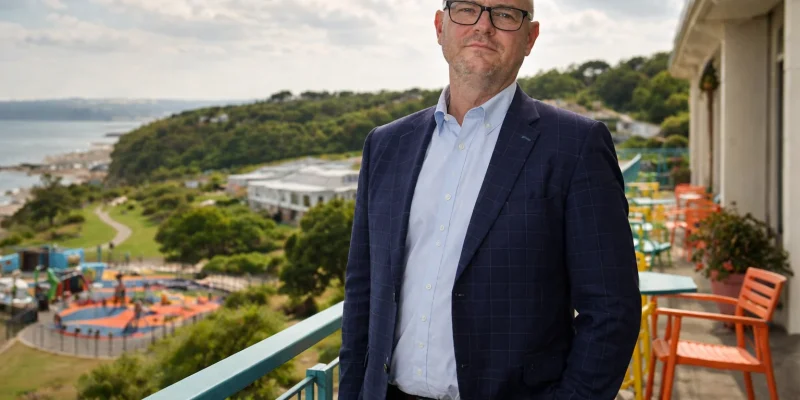
Butlins Boss Tourist Tax Warning: UK Family Holidays Hit by Levy

Labour’s proposed tourist tax could make UK family holidays noticeably more expensive, especially for people booking lower-cost breaks at places such as Butlin’s.
The planned levy, expected to be around £2 per person per night, has prompted Butlin’s chief executive Jon Hendry Pickup to warn that some working-class families could be priced out of domestic holidays altogether.
Key takeaways:
- A family of four could pay an extra £32 on a four-night break
- The charge would affect hotels, holiday parks, guest houses and Airbnb stays
- Butlin’s says the tax would hit cheaper holidays harder than luxury breaks
- Hospitality firms are already dealing with higher business rates and staffing costs
- The proposal is still under consultation and has not yet become law
Why Is The Butlins Boss Warning Against Labour’s Tourist Tax?

Jon Hendry Pickup believes Labour’s proposed visitor levy could do more harm than good because it would fall most heavily on the families who rely on affordable UK holidays.
While a £2 nightly charge may appear small, he argues that it becomes far more significant when added to low-cost breaks, particularly for larger families staying several nights.
For Butlin’s, the issue is not simply the amount of money involved. The company believes the proposal misunderstands how the domestic holiday market works. A flat-rate charge affects a budget resort very differently from a luxury hotel.
Families who choose Butlin’s often do so because they are looking for the cheapest possible break, so even a modest increase can influence whether they travel at all.
Pickup has repeatedly described the policy as a “holiday tax” rather than a tourist tax because it would apply to British families travelling within the UK, not just overseas visitors.
He argues that it risks making ordinary family holidays less accessible at a time when household budgets are already under pressure.
“A couple of weeks ago, you’d be paying £49 for a family of four, so if you put £2 per person, that suddenly becomes out of reach of a bunch of people in the UK.”
“I remember that statement very well, but you see what’s happening.”
“It’s a holiday tax. It could be disastrous for Butlin’s and businesses like us.”
What Is Labour’s Proposed Tourist Tax And How Would It Work?
Labour’s proposed tourist tax is still being discussed and has not yet been approved. Under the current idea, local councils and mayors in England could gain the power to charge visitors an additional fee whenever they stay overnight in accommodation.
The levy is expected to be added to the final accommodation bill rather than paid separately. It would apply whether you stay in a hotel, holiday park, Airbnb, guest house or bed and breakfast.
Ministers say the money could then be used to improve roads, transport, tourism services and local facilities in areas with large numbers of visitors.
How Much Could Tourists Be Charged Per Night?
Most discussion around the policy has centred on a charge of approximately £2 per person, per night. Although that amount may sound small, the total quickly increases for families or longer stays.
For example:
- 2 adults staying 3 nights = £12 extra
- Family of 4 staying 4 nights = £32 extra
- Family of 4 staying 14 nights = £112 extra
Holiday businesses argue that the charge is especially difficult because it is fixed. A guest paying £300 a night for a luxury hotel room may barely notice another £2.
By contrast, a family paying less than £50 for a cheap holiday sees a much larger increase in percentage terms.
The proposal could apply to:
- Hotels
- Holiday parks
- Airbnb properties
- Self-catering cottages
- Guest houses
- Bed and breakfasts
Because every accommodation type would pay the same rate, Butlin’s and other operators say the system is unfair.
A low-cost family resort would be treated in the same way as an expensive city-centre hotel even though the impact on affordability is very different.
Why Is The Government Considering A Visitor Levy?
The Government says the visitor levy is primarily intended to address the rapid growth of short-term rental properties such as Airbnb.
In some areas, ministers believe large numbers of holiday lets are reducing the supply of homes for local residents and pushing up rents.
Labour also argues that a tourist tax could help councils raise money for local improvements.
Supporters believe the extra revenue could pay for:
- Better public transport
- Cleaner streets and beaches
- Improved tourist attractions
- Repairs to roads and public spaces
- Additional services in busy holiday areas
Ministers and some regional mayors have pointed out that similar taxes already exist in cities across Europe, including Barcelona, Paris and Venice.
Their argument is that England is simply catching up with countries that already ask visitors to contribute to local services.
However, hospitality businesses say the comparison with Europe is misleading. Many European countries have lower VAT rates and cheaper accommodation than the UK. As a result, a small levy abroad may not have the same effect as an extra charge on already expensive British holidays.
When Could The Tourist Tax Be Introduced?
At the moment, no final decision has been made. The policy remains under consultation, which means the Government is still gathering feedback from councils, tourism organisations and businesses.
Most reports suggest that if the plan is approved, it could be introduced within the next few years. There is also likely to be variation across England because local councils may be allowed to decide whether to adopt the levy.
That could create a situation where:
- Some holiday destinations charge the tax
- Other areas decide not to introduce it
- Families begin choosing destinations based on which areas are cheaper
Hospitality firms worry this would make domestic travel more confusing. A family booking one holiday in Cornwall and another in Lincolnshire might find that one area includes extra charges while the other does not.
Industry leaders are therefore urging the Government to either abandon the plan entirely or limit it only to short-term rental properties such as Airbnb rather than traditional holiday parks and family resorts.
How Much More Could A Family Holiday At Butlins Cost?
The clearest example used by Butlin’s involves one of its cheapest family breaks.
According to Jon Hendry Pickup, a family of four could recently book a short break for just £49. If the proposed tourist tax were added, that same holiday could rise to £81.
That means the extra charge would increase the overall cost by more than 65%. For a family already trying to manage food, transport and entertainment costs, that difference could be enough to cancel the trip entirely.
| Holiday Example | Original Cost | Tourist Tax Added | New Total |
| Family of 4, 4 nights | £49 | £32 | £81 |
| Family of 4, 7 nights | £120 | £56 | £176 |
| Family of 4, 14 nights | £250 | £112 | £362 |
The effect becomes even greater on longer stays. A two-week UK break for a family of four could cost more than £100 extra under the proposed system.
Butlin’s says the percentage increase matters more than the amount itself. A £32 increase on a £49 break is dramatic, whereas the same charge added to a £1,000 holiday would be much less noticeable.
That is why the company argues that lower-income families would be affected far more than wealthier travellers.
Why Does Butlins Believe The Tourist Tax Would Hit Working-Class Families Hardest?
Butlin’s believes the proposed levy would hit working-class families hardest because they are far more likely to rely on lower-cost domestic holidays.
Families choosing a budget break often have very little room in their finances for extra charges, particularly after paying for travel, meals and activities.
The company argues that a tourist tax may look fair on paper because everyone pays the same amount. In reality, however, a flat charge has a much bigger effect on cheaper holidays than expensive ones.
Why Could Budget Seaside Breaks Become Less Affordable?
A budget seaside break is usually chosen because it is one of the few affordable options left for families.
Butlin’s says the visitor levy could undermine that by adding a fixed cost that immediately raises the price of entry.
For example, a family staying in a luxury hotel may barely notice paying another £8 each night. But a family booking the cheapest available room at a holiday park sees a much larger increase.
That is because:
- The family is likely travelling on a tighter budget
- The holiday itself costs less to begin with
- A fixed tax takes up a bigger share of the overall price
Many families already compare every cost before booking. They may choose a shorter break, travel outside school holidays or stay in the cheapest accommodation available. An additional charge could therefore become the final factor that persuades them not to travel.
How Could The Levy Affect Families Already Facing A Cost Of Living Squeeze?
The tourist tax would arrive at a time when many households are already facing rising expenses. Food prices, mortgage costs, train fares and fuel bills have all increased sharply in recent years.
For families, a holiday is often one of the first things cut when money becomes tight. Adding another cost may therefore have wider consequences than ministers expect.
A typical family holiday already includes spending on:
- Petrol or train tickets
- Food and drinks
- Entertainment and activities
- Parking and travel costs
- Accommodation
An extra £32 or £50 may not seem large in isolation, but for families already struggling with the cost of living, it can feel like one expense too many.
One parent in Skegness reportedly told local business owners that their family already plans every holiday “down to the last pound”, and that another charge would probably mean staying at home instead.
That reaction reflects a broader concern within the hospitality industry that the levy could reduce domestic tourism overall.
Why Does Butlins Say The Tax Conflicts With Labour’s Promise On Holiday Affordability?
Jon Hendry Pickup has repeatedly argued that the proposal directly contradicts Labour’s own message on affordability.
Chancellor Rachel Reeves recently said she entered politics because “being able to pay for a holiday was never too much to ask”.
Butlin’s believes the levy would achieve the opposite by making UK holidays more expensive for the very people Labour says it wants to support.
Pickup has said he finds this especially frustrating because the Government often talks about helping with the cost of living while simultaneously considering a charge that would raise the price of domestic travel.
“It is designed to target short stays like Airbnb and does not account for the variety of business models in the visitor economy.”
“I hear messages from the Government saying they’re going to focus on the cost of living.”
“But then they impose a holiday tax on British people travelling to other parts of the UK.”
Is The Tourist Tax Really Targeting Airbnb Or Could It Affect The Whole Hospitality Sector?

Labour has said the proposal is partly intended to tackle the rapid growth of Airbnb and other short-term rental platforms. Ministers believe these properties can reduce housing supply in some areas and make it harder for local people to afford homes.
However, Butlin’s and other hospitality businesses argue that the levy has been designed too broadly. Instead of only targeting Airbnb, it would also apply to holiday parks, hotels, guest houses and self-catering accommodation.
That means the whole hospitality sector could be affected. Businesses say the policy fails to recognise that different types of accommodation operate in different ways.
A holiday park in Minehead or Skegness is very different from a city-centre Airbnb, yet both could face the same charge.
Industry concerns include:
- Reduced visitor numbers at family resorts
- Lower spending in seaside towns
- Pressure on already struggling hospitality businesses
- Greater confusion if councils introduce different charges
Many businesses believe the Government should narrow the proposal so that it focuses only on short-term rental properties rather than every overnight stay. Otherwise, they fear the tax will punish traditional tourism businesses that are already helping local economies.
What Other Pressures Are Holiday Parks And Hospitality Businesses Facing?
The tourist tax is only one of several problems currently affecting holiday parks and the wider hospitality sector.
Businesses say they are already under pressure from rising costs in multiple areas, which means another levy could be especially damaging.
According to Butlin’s, many firms have not yet fully recovered from recent economic pressures and are now facing higher taxes, wages and operating costs all at once.
How Are Rising Business Rates Affecting Holiday Parks?
Holiday parks have warned that their business rates are rising sharply because of higher property valuations.
These rates are the commercial equivalent of council tax and are based on how much a property is considered to be worth.
Many hospitality firms believe the current system unfairly treats them in the same way as large distribution warehouses.
Businesses are worried because:
- Property values have increased significantly
- Holiday parks have not received the same support as pubs and music venues
- Extra costs may eventually be passed on to customers
Butlin’s says this is particularly frustrating because holiday parks provide accommodation, food, entertainment and local jobs, yet have been excluded from some recent relief schemes.
Why Are National Insurance And Wage Changes Increasing Costs?
Employers are also facing higher staffing costs after changes to National Insurance and the minimum wage.
Under the new rules:
- Employer National Insurance increased from 13.8% to 15%
- The earnings threshold fell from £9,100 to £5,000
- National living wage rates also increased
For companies employing large numbers of seasonal or part-time staff, these changes can add thousands of pounds to the annual wage bill.
Butlin’s says this creates a difficult choice. The company either absorbs the extra cost, which reduces profits, or increases prices, which risks making holidays less affordable.
Why Could These Changes Reduce Job Opportunities For Young Workers?
Holiday parks have traditionally offered first jobs to young people. Butlin’s often employs teenagers and students in roles such as lifeguards, restaurant staff and entertainment assistants.
However, Jon Hendry Pickup says it has become much more expensive to hire younger workers than it was previously.
He argues that businesses may now prefer to employ older, experienced staff because they offer more hours and better value under the new system.
That could reduce opportunities for:
- Teenagers looking for a first job
- Students seeking weekend work
- Young people in seaside towns with limited employment options
“Historically, we would recruit people from 16 and onwards, possibly in their first job, and give them a skill set like lifeguarding so that they could move their way into the workforce.”
“They might work nine hours a week on a Saturday, while they’re still at school, and that would work well for us.”
“But it’s become substantially more expensive to recruit somebody at that age than it was previously.”
How Important Is Butlins To Seaside Towns And The UK Tourism Economy?
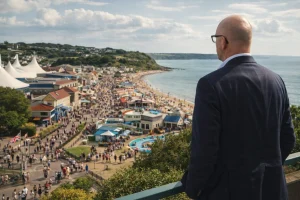
Butlin’s is far more than a holiday company. The business plays a major role in the economies of towns such as Skegness, Minehead and Bognor Regis. These areas rely heavily on tourism, particularly during the summer season.
When families visit Butlin’s, they often spend money outside the resort as well. Local cafés, shops, arcades and attractions all benefit from extra visitors.
Butlin’s supports local economies by:
- Providing hundreds of jobs
- Bringing visitors into seaside towns
- Supporting nearby businesses and attractions
- Creating opportunities for younger workers
The company also believes that if fewer people travel because of a tourist tax, the effects will spread beyond the resort itself.
Local businesses could lose trade, councils could collect less spending overall and coastal communities may struggle financially.
That is why Butlin’s argues the proposal should be viewed not only as a tax on holidays but also as a policy that could influence the wider UK tourism economy.
Could Labour Change Or Rethink The Tourist Tax Following Industry Backlash?
There is still a strong possibility that the proposal could change before becoming law. The visitor levy remains under consultation, and hospitality businesses are continuing to push for amendments.
Industry leaders want the Government to either scrap the tax completely or narrow it so that it applies only to Airbnb-style short-term lets rather than family holiday parks and hotels.
Labour may also face political pressure if concerns about affordability continue to grow.
The warning from Butlin’s has attracted attention because it highlights a conflict between the Government’s desire to support households and the risk of making domestic holidays more expensive.
If ministers decide that the levy could damage family budgets or reduce tourism spending, they may choose to redesign the policy or delay it altogether. For now, however, the debate remains unresolved.
Conclusion
The Butlins boss tourist tax warning has become one of the clearest examples of the wider debate around Labour’s proposed visitor levy.
Supporters believe the policy could raise money for local services and help control the growth of Airbnb. Critics, however, fear it would make UK holidays more expensive for the families who can least afford it.
For many households, even a small increase in costs can influence whether they book a holiday at all. Butlin’s argues that a fixed £2 charge would hit low-cost breaks much harder than luxury stays and could damage seaside towns that rely on tourism.
The proposal has not yet been approved, which means there is still time for changes. Until then, families and businesses will continue watching closely to see whether a holiday tax becomes reality in England.
FAQs
Could the tourist tax apply to every type of accommodation in the UK?
The current proposal suggests the charge could apply to hotels, holiday parks, guest houses, bed and breakfasts and Airbnb properties. However, the Government has not yet confirmed exactly which types of accommodation would be included.
Would children have to pay the proposed tourist tax?
Most reports suggest the levy would be charged per person, which could mean children are included unless exemptions are introduced. At present, there is no confirmed decision on whether younger children would be excluded.
Could different parts of England charge different tourist tax rates?
Yes, Labour is considering giving local councils and mayors the power to decide whether to introduce the levy. That means some areas may charge visitors while others choose not to.
Are tourist taxes already used elsewhere in the UK?
Yes, several parts of the UK have discussed or introduced similar charges, particularly in Scotland and Wales. Edinburgh is expected to introduce a visitor levy, while Wales is also considering its own version of a tourist tax.
Why do some businesses oppose the tourist tax even if it is only £2 a night?
Businesses argue that a flat £2 charge affects cheaper holidays far more than expensive ones. For a family booking a low-cost break, the extra amount can significantly increase the total cost.
Could the tourist tax reduce the number of people taking UK holidays?
Some holiday businesses believe it could discourage families from booking domestic breaks, especially during a cost of living squeeze. If that happens, seaside towns and local tourism businesses may also lose income.
Has Labour officially approved the tourist tax yet?
No, the proposal is still under consultation and has not yet become law. Ministers are continuing to gather views from councils, businesses and tourism groups before making a final decision.
Why is Butlins especially concerned about the tourist tax?
Butlin’s says its customers often choose lower-cost breaks, so even a small increase can make holidays less affordable. The company believes a fixed levy would hit its guests harder than visitors staying in luxury accommodation.
What is your reaction?