What Sectors Benefit When the World Cup Kicks Off?

With thirty days to go before the opening whistle in Mexico City, UK businesses and consumers are sizing up what a summer-long World Cup actually means for spending. The numbers are already moving.
The tournament is the biggest in history: 48 teams, 104 matches, 39 days of football broadcast free-to-air across BBC and ITV, with kickoff times running from early evening into the early hours that suit UK viewing windows far better than Qatar 2022 ever did.
For the leisure sector, this is not merely a feelgood moment. Bank of America analysts identify online betting as among the industries most positively positioned for World Cup uplift, alongside beverages, sportswear, broadcasting and restaurants. Goldman Sachs has named specific buy-rated stocks in each of these categories.
For cost-conscious consumers who have been trimming discretionary spending for two years, the World Cup represents something specific: a sanctioned reason to spend.
And the leisure platforms that have positioned themselves around low-commitment entry points, including platforms offering a low deposit bonus to bring new users in during high-traffic sporting moments, are likely to see the biggest returns.
What Sectors Benefit From the World Cup Kick-Off the Most?
Online Gaming and the New-User Acquisition Window
Major sporting events have consistently been the most effective acquisition windows for online gaming platforms.
A viewer who has never registered on a betting or casino site, watching England beat Croatia in a pub, reaching for their phone to place a first bet, is exactly the demographic every platform in the market is designing their onboarding flow around right now.
That first-time user does not want to commit significant money to a platform they have never tried. The welcome offer and the deposit threshold are what determine whether they click through or move on. This is precisely where minimum deposit products have become commercially important.
A low deposit bonus brings a genuinely low financial commitment, often as little as five or ten pounds, paired with a bonus that gives the new user something meaningful to play with.
Under the UKGC’s January 2026 rules capping wagering requirements at ten times the bonus amount, those offers are now also more transparent and achievable than at any point in the recent past.
The Pub Economy and the England Effect
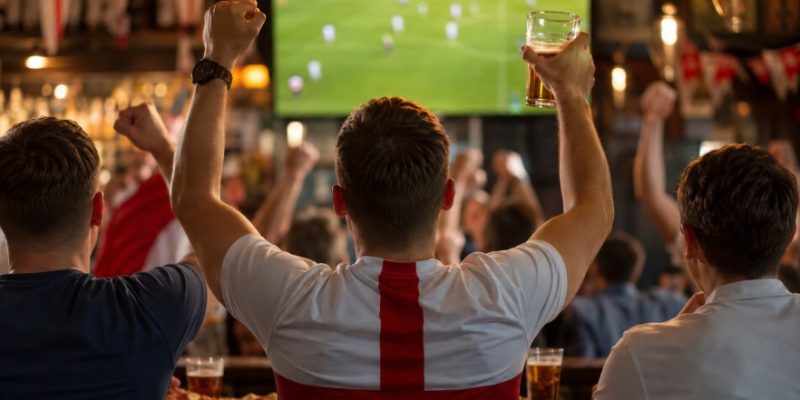
Start with the most visible beneficiary. UK pubs have been through a sustained period of pressure, with footfall squeezed by cost of living concerns and the legacy of changed socialising habits.
The World Cup changes the equation temporarily but significantly. England’s run to the semi-finals in Russia 2018 produced a measurable spike in hospitality spending.
According to AJ Bell’s Danni Hewson, that tournament alone resulted in millions more pints pulled, pizzas ordered, and bets placed.
For 2026, the Home Office has been consulting on allowing licensed premises in England and Wales to open until 1am for England matches starting at 9pm or earlier. Government estimates suggest as many as 55 million pints could be served during the finals.
England are drawn in Group F against Croatia, Ghana and Panama, with their group stage games split between ITV and BBC. Every knockout stage appearance adds another wave.
Scotland are also through, drawn into Group L alongside Brazil and Morocco. Their matches will draw significant Scottish viewership and further underpin the pub and hospitality numbers across the UK.
The Betting Surge Is Already Underway

The numbers from the gambling sector tell a clear story. Nationwide Building Society data shows that UK gambling transactions rose 9% in January 2026 versus the same month the previous year, with transaction volumes up 7%.
This increase arrived months before the tournament begins, driven by a broader sporting calendar including the Champions League final and Six Nations.
A Censuswide survey of 2,000 UK gamblers, commissioned by Nationwide in February 2026, found that 68% expect to bet more this year due to the sporting calendar. The World Cup is the single biggest cited driver, with 59% of respondents naming it as the event most likely to increase their betting activity.
As IBTimes UK reported, the regulated gambling sector contributed approximately £6.8 billion to the UK economy in 2025 and generated around £4 billion in tax receipts. The trajectory for 2026, with the World Cup as the centrepiece, points firmly upward.
For betting platforms and online casinos, the World Cup is both an opportunity and a competitive pressure point.
Every major operator will be pushing acquisition offers through the tournament, and the platforms best placed to convert are those with the lowest barriers to entry, the clearest bonus terms under the new UKGC 10x wagering cap rules, and the smoothest mobile experience for users watching on their phones.
What the Smart Money Is Watching?
For UK businesses in or adjacent to the leisure sector, the World Cup creates a six-week window with a clear spending narrative. Consumer sentiment is cautious, but major sporting events consistently unlock discretionary spend that otherwise stays put.
The 2018 precedent is instructive: even a tournament where England exited at the semi-finals produced measurable economic uplift across every entertainment vertical.
The sectors that will convert this window most effectively are those that have already done the work to reduce friction, lower entry barriers, and make the first experience feel low-risk. Pubs that have sorted their licensing for late openings. Streaming platforms with frictionless sign-up.
Betting and gaming sites with clear, fair bonus terms and £5 or £10 minimum deposits. In each case, the commercial logic is identical: meet the consumer where they are, at the lowest possible cost of entry, and trust the product to do the retention work.
What is your reaction?