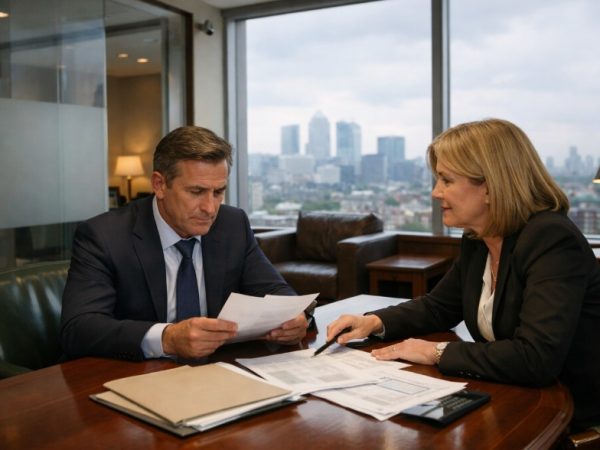
How Mediation In The Workplace Helps?

There is a greater need than ever for workplace mediators. We will spend most of our lives at work. We all need and want our jobs to be as enjoyable and hassle-free as possible, whether they are permanent, temporary, full-time, or part-time.
If you are an employer or an HR manager, the last thing you want or need is for employees to constantly complain about one another to you.
What Is Workplace Mediation and How Does It Help Resolve Employee Conflict?

ACAS Statistics
By the end of 2025, ACAS projected that 44% of all UK workers had engaged in some kind of conflict with another worker within a year.
That is an astounding ten million people, to put it in perspective! The primary competitors were:
- Problems with performance and a lack thereof.
- Early arguments over matters unrelated to work resulted in strained relationships.
- Inadequate or non-existent communication, which had resulted from misconceptions and poor communication.
According to the study, almost 60% of these workers had severe anxiety, stress, or depression.
Workplace Mediation vs. Employment

The mediation family includes workplace mediation. The goals of all forms of mediation are to swiftly and economically settle conflicts, lessen stress, and prevent legal action or an employment tribunal claim.
Employment mediation, which addresses issues related to compensation, working conditions, and constructive dismissal, is distinct from mediation in the workplace said an expert workplace mediator at Effective Dispute Solutions, an established workplace mediation company who have been providing workplace mediation for over twenty four years.
Employee disagreements with one another regarding anything are resolved through mediation in the workplace also known as ‘workplace mediation’.
The principal ones are the following:
- Racism, bullying, and victimisation.
- Sexual harassment.
- Reasonable accommodations/adjustments.
- Equality and discrimination (sex, age, and race).
- A decline in morale, performance, and productivity.
- The management style, performance, capability path, undermining, lack of support, and hierarchy between managers and employees.
- Conflicts at work that have been fuelled by personal matters outside of the job.
- Physical altercations, gossip, working methods, personality conflicts, and a lack of trust.
- A breakdown in interpersonal interactions, communication, and comprehension.
- Chronic illness and absence. Reintegrating fired or reinstating workers back into the workforce.
- Misconduct, grievances, disciplinary actions, and appeals.
- Neurodiversity concerns, mental health, impairments, and disorders.
Workplace Mediators
Workplace mediators are specifically trained to remain independent, neutral, and non-judgemental throughout the mediation process. They often come from legal or HR backgrounds, although this is not essential.
What is important is that they have a professional background, hold a degree-level qualification, and possess an accredited workplace mediation qualification.
How Mediation In The Workplace Works?

So, how does mediation in the workplace work? Based on a mediation involving two employees, this is how the process would typically run from start to finish.
The process begins with separate, private, and confidential meetings with each employee, usually lasting between 45 and 90 minutes each.
These meetings may take place either in person or online. (Believe it or not, we have found online mediation works better for workplace disputes; employees feel more comfortable from their own office/home.
Rather than being summoned to a particular internal or external venue. Other employees hovering about, asking or knowing why the employee is in their space, when usually they would not be etc.)
During these sessions, the mediator will explain their role, the mediation process, and the ground rules. They will confirm that mediation is voluntary, confidential, and conducted on a without-prejudice basis.
The mediator will also provide a brief summary of their experience, qualifications, and professional background.
The workplace mediator will then invite each employee to explain what has happened, what went wrong, when and how the issues arose, and why they believe the conflict developed.
They will also explore what each employee realistically hopes to achieve through mediation and how those outcomes may be reached.
Once both private meetings have been completed, it is important to take a lunch break. This gives both employees time to reflect on their discussions and gather their thoughts before the joint session begins.
Following the break, the first joint session takes place. The mediator will ask each employee, in turn, to repeat the key points they discussed during their private session, while setting aside anything particularly contentious or confidential for later discussion if necessary.
The mediator assists and coaches both employees throughout the process, helping them communicate constructively and appropriately. As the conversation develops, the mediator effectively manages and facilitates the discussion to ensure it remains productive and respectful.
The remainder of the day is typically spent alternating between private and joint sessions in order to address and resolve the issues between the employees.
Any agreement reached is then recorded in writing. Unlike commercial mediation agreements, workplace mediation agreements are generally not legally binding, as the employees do not sign them.
Instead, the document serves as an aide-mémoire or action plan, outlining what has been agreed and what each employee expects from the other moving forward. The agreement will only be shared with the employer or HR department if both employees consent to this.
What is your reaction?