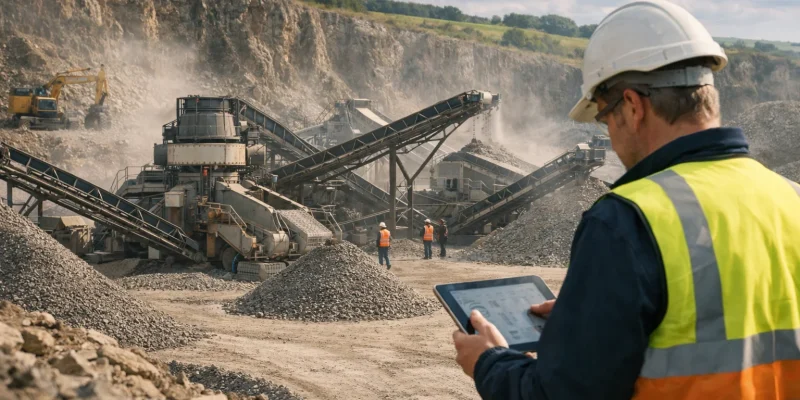
How to Pick the Right Aggregate Processing Equipment for Your Project?

Choosing the right aggregate processing equipment can shape the success of any site operation. Whether you are working in mining, quarrying, or construction, the machines you select will affect output, cost, and downtime.
With so many options available, it helps to understand what matters most before making a decision.
Understanding Your Project Requirements
Before looking at specific machines, take a step back and assess the needs of your project. This will guide every choice that follows.
Material Type And Characteristics
Different materials behave in different ways. Hard rock, sand, gravel, and recycled materials all require different handling.
For example, high-clay content can clog certain screening systems, while abrasive rock can wear down crushers quickly. Knowing the properties of your material helps narrow down suitable aggregate processing equipment.
Output And Production Goals
Think about how much material you need to process each day. A small-scale site may benefit from compact or mobile equipment, while a large quarry will need high-capacity systems. Matching equipment size to output targets avoids underperformance or unnecessary expense.
Choosing The Right Crushing Equipment
Crushing is often the first stage in aggregate processing. Selecting the correct crusher is key to achieving the desired material size.
Primary And Secondary Crushers
Primary crushers, such as jaw crushers, are used to break down large rocks into manageable sizes.
Secondary crushers, like cone or impact crushers, refine the material further. The right combination depends on your feed size and final product requirements.
Fixed Vs Mobile Crushers
Fixed crushing plants suit long-term operations with stable production needs. Mobile crushers, on the other hand, offer flexibility. They can be moved around the site or between projects, making them ideal for contract work or short-term jobs.
Selecting Screening And Washing Solutions
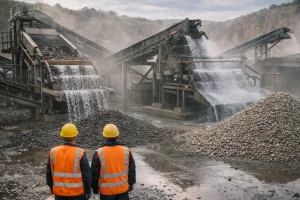
Once material is crushed, it needs to be sorted and cleaned. Screening and washing equipment play a major role in product quality.
Screening For Size Separation
Aggregate screening equipment separates material into different sizes. Vibrating screens are common in many operations, offering reliable performance across a range of materials. The number of decks and screen size should match your output needs.
Washing For Clean Aggregates
Washing removes dirt, clay, and other unwanted materials. This step is especially important in construction and concrete production, where clean aggregates are required. Equipment such as log washers or sand screws can improve the quality of your final product.
Considering New Vs Used Aggregate Processing Equipment
Budget often plays a part in equipment decisions. Both new and used aggregate processing equipment have their place.
Benefits Of New Equipment
New machines come with the latest technology and manufacturer support. They tend to offer better efficiency and lower running costs over time. For long-term projects, this can make a strong case for investing in new equipment.
Advantages Of Used Equipment
Used equipment can be a cost-effective option, especially for smaller businesses or short-term projects.
When sourced from a trusted supplier, used machines can still deliver solid performance. It is important to check the service history and condition before purchase.
The Role Of Hire And Contract Services
Not every project requires a full equipment purchase. Hire and contract services can offer flexibility and reduce upfront costs.
Equipment Hire For Short-Term Needs
Hiring equipment allows you to access the right machinery without a long-term commitment. This is useful for peak workloads or one-off projects. It also reduces maintenance responsibilities, as these are often handled by the provider.
Contract Crushing And Screening
Some companies offer complete contract services, handling crushing, screening, and washing on your behalf. This can save time and simplify operations, especially if you lack in-house expertise or resources.
Maintenance And Servicing Considerations
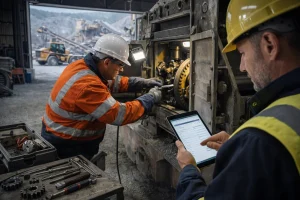
Reliable performance depends on proper maintenance. Downtime can quickly affect productivity and profits.
Regular servicing keeps equipment running smoothly and helps identify issues early. Working with a supplier that offers ongoing support can make a big difference. Access to spare parts and skilled engineers helps keep your operation on track.
Working With The Right Supplier
Choosing the right supplier is just as important as selecting the equipment itself. A knowledgeable partner can guide you through the process and recommend solutions based on your needs.
Look for a supplier with experience in the minerals, mining, quarrying, and construction industries. They should offer a range of services, including sales, hire, and servicing. This ensures you have support at every stage of your project.
A good supplier will take the time to understand your operation and suggest the most suitable aggregate processing equipment. This approach helps you get the best performance and value from your investment.
What is your reaction?