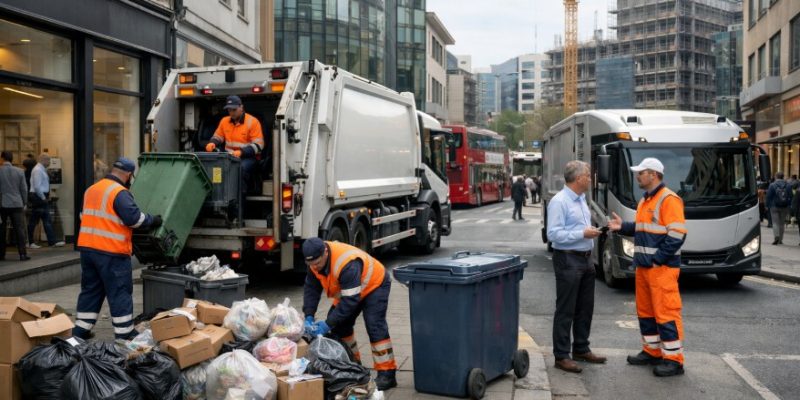
What Makes Waste Disposal Services Essential for Urban Operations?

Urban areas produce enormous amounts of rubbish every day, from household waste and commercial packaging to construction debris and food waste.
Without reliable waste disposal services, cities would quickly face overflowing bins, public health risks, environmental damage, and disruption to businesses and public services. Effective waste disposal is therefore a core part of urban infrastructure.
Key reasons why waste disposal services are essential include:
- They protect public health by preventing disease and pest infestations.
- They reduce pollution and support environmental sustainability.
- They keep businesses, transport hubs, schools, and hospitals operating efficiently.
- They help organisations comply with UK waste regulations.
- They contribute to recycling, resource recovery, and a cleaner urban economy.
As cities continue to grow, professional waste disposal services are becoming even more important for keeping urban operations safe, efficient, and sustainable.
Why Are Waste Disposal Services Vital to the Daily Functioning of Cities?

Waste disposal services are essential to the daily functioning of cities. Every day, homes, offices, restaurants, hospitals, schools, shops, and industrial sites produce large amounts of waste.
In busy urban areas, rubbish can build up quickly if it is not collected and removed efficiently.
City operations depend on clean and safe surroundings. Transport systems, business districts, residential areas, and local services all rely on proper waste management. Missed collections can lead to poor conditions, attract pests, and affect safety.
Modern waste services go beyond collection. They include transporting, sorting, recycling, treating, and safely disposing of waste, ensuring it does not harm the environment or disrupt city life.
The table below shows how different sectors depend on waste disposal:
| Urban Sector | Type of Waste Produced | Why Waste Disposal Matters |
| Residential areas | Household rubbish, food waste, recycling | Keeps neighbourhoods clean and healthy |
| Offices and businesses | Paper, packaging, electronics | Supports daily operations and legal compliance |
| Hospitals and healthcare | Clinical and hazardous waste | Prevents contamination and health risks |
| Retail and hospitality | Food waste, cardboard, plastics | Maintains hygiene and customer experience |
| Construction sites | Rubble, timber, metal | Keeps sites safe and organised |
How Do Waste Disposal Services Protect Public Health in Urban Environments?
Public health is one of the main reasons waste disposal services are essential in cities. When waste is left to build up, it creates ideal conditions for pests such as rats, flies, and insects.
These pests can spread harmful bacteria and diseases, particularly in areas with high population density.
Poor waste management also increases the risk of contaminated water, unpleasant odours, and unsafe living conditions.
This can lead to a range of health problems, especially for vulnerable groups such as children, older people, and those with existing medical conditions.
Professional waste disposal services protect public health in several ways:
- They remove waste before it begins to decay and attract pests.
- They reduce the spread of diseases linked to contaminated rubbish.
- They ensure hazardous materials are handled safely.
- They maintain cleaner streets, public spaces, and workplaces.
- They support better hygiene standards in schools, hospitals, and commercial premises.
In urban areas, even a short interruption to waste collection can create immediate problems.
Overflowing bins and littered streets can quickly damage public confidence and place extra pressure on local authorities and healthcare services.
Why Are Waste Disposal Services Important for Environmental Protection?
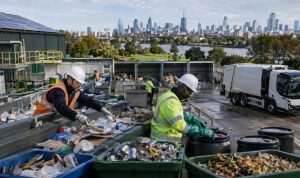
Waste disposal services are equally important for protecting the urban environment. Without effective systems in place, rubbish can end up in rivers, streets, green spaces, and landfill sites.
Over time, this pollution can harm wildlife, reduce air quality, and contaminate soil and water sources.
Environmental Risks of Poor Waste Management
Uncontrolled waste disposal can create serious environmental consequences. Food waste and organic materials release methane as they break down, which contributes to greenhouse gas emissions.
Plastics can enter rivers and waterways, while hazardous substances may leak into the soil and groundwater.
Some of the most common environmental risks include:
- Air pollution from burning waste
- Soil contamination caused by chemicals and hazardous materials
- Groundwater pollution from landfill leakage
- Increased greenhouse gas emissions
- Damage to wildlife and natural habitats
How Professional Waste Disposal Reduces Pollution?
Professional waste disposal services help reduce these problems by ensuring waste is collected, sorted, and processed correctly. Recyclable materials are separated from general waste, while hazardous items are treated safely.
This lowers the amount of rubbish sent to landfill and reduces the risk of environmental contamination.
| Environmental Problem | Effect on Urban Areas | How Waste Disposal Services Help |
| Overflowing landfill sites | Increased pollution and land use | Divert waste through recycling and recovery |
| Plastic entering waterways | Harm to wildlife and drainage systems | Improve collection and sorting processes |
| Methane emissions | Higher carbon footprint | Reduce organic waste in landfill |
| Hazardous waste leaks | Soil and water contamination | Use safe treatment and disposal methods |
By preventing pollution and reducing landfill dependency, waste disposal services play a direct role in making cities more sustainable.
How Do Waste Disposal Services Support Businesses and Public Services?
Businesses and public services cannot operate effectively without dependable waste disposal. Offices, restaurants, hospitals, schools, shops, and transport hubs all generate waste every day. If this waste is not removed promptly, it can disrupt operations and create unsafe conditions.
For example, restaurants require regular removal of food waste to meet hygiene standards. Construction sites need waste collection to maintain safe working conditions.
Hospitals depend on specialist disposal for clinical waste, while schools and offices need clean environments for staff and visitors.
In busy urban areas, businesses often need fast and flexible solutions to prevent disruption.
Companies that require urgent collections may benefit from services such as same day waste removal london, which can help prevent waste build-up and keep operations running smoothly.
Waste disposal services support businesses and public services by:
- Reducing health and safety risks
- Improving cleanliness and customer experience
- Preventing operational delays
- Helping organisations maintain professional standards
- Supporting business continuity during busy periods
Reliable waste management also protects the image of a business or public facility. Customers and visitors are more likely to trust organisations that maintain clean and well-managed premises.
What Role Do Waste Disposal Services Play in Meeting UK Waste Regulations?

UK waste regulations place clear responsibilities on businesses and local authorities. Organisations are legally required to store, transport, and dispose of waste safely. Failure to comply can result in significant fines, legal action, and damage to reputation.
Under the Duty of Care legislation, businesses must ensure that their waste is managed responsibly from the moment it is produced until it is disposed of. This includes using licensed waste carriers and keeping proper records.
Professional waste disposal services help organisations meet these legal requirements by providing:
- Correct collection and handling of different waste types
- Safe disposal of hazardous or specialist materials
- Waste transfer notes and documentation
- Compliance with recycling and environmental standards
- Advice on waste segregation and storage
Businesses that fail to comply with waste regulations may face prosecution, particularly if waste is dumped illegally or causes environmental harm.
For this reason, many organisations rely on professional waste disposal providers to reduce risk and ensure compliance.
How Do Waste Disposal Services Contribute to a More Sustainable City?
Modern waste disposal services do far more than remove rubbish. They are a key part of creating sustainable cities by reducing waste, encouraging recycling, and supporting the circular economy.
Recycling and Resource Recovery
Recycling allows valuable materials such as paper, metal, glass, and plastic to be recovered and reused. This reduces the need for new raw materials and lowers the environmental impact of manufacturing.
Resource recovery also creates economic value. Materials that would otherwise be thrown away can be turned into new products, reducing waste and supporting more efficient use of resources.
Supporting the Circular Economy
The circular economy aims to keep materials in use for as long as possible. Waste disposal services support this approach by separating recyclable items, reducing landfill use, and encouraging businesses and households to dispose of waste responsibly.
A more sustainable waste system can deliver several benefits:
- Lower demand for raw materials
- Reduced landfill usage
- Less pollution and carbon emissions
- Greater resource efficiency
- Improved environmental performance for cities
As urban populations continue to grow, sustainability will become an even more important part of waste disposal planning.
What Economic Benefits Do Effective Waste Disposal Services Bring to Urban Areas?

Effective waste disposal brings significant economic benefits alongside environmental and health advantages. Clean, well-managed cities are more attractive to businesses, investors, tourists, and residents, helping to drive local economic growth.
When waste is handled efficiently, it supports smoother business operations and improves overall urban appeal.
Poor waste management can be costly. Local authorities often spend large sums dealing with litter, illegal dumping, and related health issues. Businesses may also lose revenue if poor conditions affect customers or disrupt daily operations.
At the same time, the waste and recycling sector creates jobs in collection, transport, sorting, and processing, while supplying recycled materials to other industries. Overall, reliable waste services reduce costs, boost investment, and support long-term economic development.
How Will Modern Waste Disposal Services Shape the Future of Urban Operations?
As cities grow and technology advances, waste disposal services are becoming more efficient and cost-effective. Many urban areas now use smart waste systems to improve collection and reduce costs.
Smart bins with sensors can alert collection teams when they are full. Route optimisation software helps vehicles travel more efficiently, lowering fuel use and emissions. Automated sorting facilities also improve recycling accuracy.
Future waste disposal systems are likely to focus on:
- Greater use of technology and data
- More efficient recycling and material recovery
- Lower emissions from collection vehicles
- Better integration with smart city systems
- Increased public awareness of waste reduction
The future of urban operations depends on smarter and more sustainable waste management. Waste disposal services will remain essential for protecting public health, supporting businesses, and keeping cities clean.
Conclusion
Waste disposal services are essential for urban operations because they support every aspect of city life.
They protect public health, prevent environmental damage, keep businesses and public services running, and help organisations comply with UK regulations. They also contribute to recycling, sustainability, and economic growth.
As urban populations continue to rise, the need for efficient and professional waste disposal services will only increase.
Cities that invest in modern and reliable waste management systems will be better prepared to remain clean, safe, and sustainable in the future.
Frequently Asked Questions
What types of waste are usually handled by urban waste disposal services?
Urban waste disposal services typically manage household waste, food waste, commercial rubbish, recyclable materials, hazardous waste, construction debris, and clinical waste. Different waste streams require different methods of collection and treatment.
How often should commercial waste be collected in a city?
The frequency of commercial waste collection depends on the type of business and the amount of waste produced. Restaurants and hospitality businesses may need daily collections, while offices may only require weekly services.
Can poor waste disposal affect local water supplies?
Yes. If waste is not managed properly, harmful substances can leak into the ground and contaminate rivers, lakes, and groundwater supplies. This can create serious environmental and public health risks.
Why do businesses need licensed waste disposal providers?
Licensed waste disposal providers ensure that waste is collected and disposed of legally. They also provide the necessary documentation to help businesses comply with UK regulations and avoid penalties.
How do smart waste systems improve collection efficiency?
Smart waste systems use sensors and software to monitor waste levels and optimise collection routes. This reduces unnecessary journeys, lowers costs, and improves the speed and reliability of collections.
What is the difference between waste disposal and waste management?
Waste disposal refers specifically to removing and treating rubbish, while waste management covers the full process, including collection, sorting, recycling, treatment, and final disposal.
How can residents help improve waste disposal in urban areas?
Residents can support better waste disposal by recycling correctly, reducing unnecessary waste, separating materials properly, and using local waste collection services responsibly.
What is your reaction?