Rachel Reeves Hybrid Car Tax: UK Drivers Face £760 Rise

The Rachel Reeves hybrid car tax refers to a series of UK tax changes affecting hybrid vehicles through updated Vehicle Excise Duty (VED) and proposed pay-per-mile charges.
In short, hybrids are gradually losing their tax advantages as the government shifts toward a fairer, revenue-based road taxation system aligned with net zero goals.
Here’s what you need to know:
- Hybrid cars are no longer treated as low-tax alternatives
- VED rates increased in April 2026 across most vehicle types
- A pay-per-mile system for hybrids is being considered from 2028
- Costs for hybrid ownership may rise due to combined taxes
- Policy aims to replace declining fuel duty revenue
These changes directly affect how much you pay and whether a hybrid still makes financial sense.
What Is the Rachel Reeves Hybrid Car Tax and Why Is It Being Introduced?
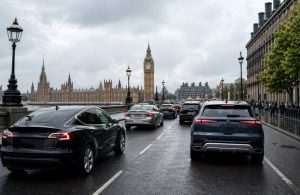
The Rachel Reeves hybrid car tax is not a single tax but a combination of updated Vehicle Excise Duty (VED) rules and proposed future road pricing reforms targeting hybrid vehicles.
It reflects a broader shift in how the UK government plans to tax drivers as traditional fuel revenues decline.
VED is the annual tax you pay based on your car’s emissions or registration period. Historically, hybrids benefited from lower emissions classifications, meaning lower tax.
However, the government is now adjusting this system to ensure all drivers contribute fairly to road maintenance and public finances.
The primary reason for introducing these changes is financial. As more drivers switch to electric and hybrid vehicles, fuel duty revenues, currently a major source of government income, are falling. The government is responding by restructuring taxes to maintain revenue stability.
At the same time, these policies align with environmental goals. By reducing preferential treatment for hybrids, policymakers aim to accelerate the transition toward fully electric vehicles.
How Have Car Tax Rules Changed in 2026 Under Rachel Reeves?
Car tax rules in 2026 have shifted significantly, affecting almost all drivers, including hybrid owners. These changes came into force in April 2026 and reflect inflation adjustments as well as broader tax reforms.
The most notable updates include:
- Annual VED increases in line with Retail Price Index (RPI)
- Higher charges for high-emission vehicles, reaching up to £790 per year
- Continued use of emissions-based bands for older vehicles (2001–2017)
- Reduced or unchanged rates for lower-emission categories
For many drivers, this means noticeable cost increases. Vehicles emitting between 226–255g/km now face around £760 annually, while higher-emission cars exceed that threshold.
Some groups are impacted more than others. Cars registered between 2001 and 2017 remain tied to older emissions data, which critics argue is outdated and unfair.
As one commentator explained:
“These are the cars that arguably are treated harshest of all because they fit under a completely different VED regime. At the higher end these rates don’t just feel harsh, they feel deeply unfair. This is a segment they really need to look at again.”
Meanwhile, lower-emission vehicles have seen minimal or no increases, reinforcing the government’s push toward cleaner transport options.
Will Hybrid Cars Be Affected More Than Petrol or Electric Vehicles?

Hybrid vehicles sit in a complex position within the UK tax system. While they were once considered a cost-effective middle ground, recent changes suggest that advantage is narrowing.
Are Hybrid Vehicles Losing Their Tax Advantages?
Yes, hybrid vehicles are gradually losing their favourable tax treatment. Previously, they benefited from lower emissions classifications and were seen as a transitional option toward electric driving.
However, policy changes indicate a shift away from incentivising hybrids.
Key changes include:
- Reduced tax benefits compared to earlier years
- Alignment with broader vehicle taxation systems
- Increased scrutiny of real-world emissions performance
This reflects a wider policy direction. The government now views hybrids as a temporary solution rather than a long-term answer to emissions reduction.
How Do Hybrid Emissions Impact Tax Bands?
Hybrid tax rates still depend heavily on CO2 emissions. While hybrids typically produce lower emissions than petrol or diesel cars, many still fall into mid-range tax bands.
Important factors affecting hybrid tax include:
- Engine size and fuel usage
- Actual emissions output (not just theoretical efficiency)
- Whether the car is a plug-in hybrid or self-charging
Plug-in hybrids can appear efficient on paper but may not deliver the same performance in real-world driving. This discrepancy influences how they are taxed and perceived.
As a result, hybrids are no longer consistently cheaper to tax than petrol vehicles, and they do not enjoy the same long-term advantages as fully electric cars.
What Is the Proposed Pay-Per-Mile Tax for Hybrid Cars?
The proposed pay-per-mile tax, often referred to as electric vehicle excise duty (eVED), is a future policy expected to affect hybrid drivers from around 2028. It introduces a usage-based system where drivers pay for each mile travelled.
The government’s proposal aims to replace lost fuel duty revenue as more drivers move away from petrol and diesel.
Here’s how the system is expected to work:
| Vehicle Type | Proposed Cost per Mile | Current Fuel Duty Impact |
| Electric Vehicles | 3p per mile | None |
| Hybrid Vehicles | 1.5p per mile | Still pay fuel duty |
| Petrol/Diesel | No per-mile charge | Full fuel duty applies |
Hybrid drivers would pay a reduced rate compared to EV owners but would still be subject to fuel costs. This creates a mixed taxation model where hybrids could face both traditional and new charges.
The government argues this approach is practical and avoids complex tracking of electric versus petrol usage. However, it also raises concerns about fairness and cost efficiency for drivers who already contribute through fuel taxes.
Why Are Critics Calling the Hybrid Car Tax Unfair?

The Rachel Reeves hybrid car tax has sparked debate, particularly around fairness and real-world usage. Critics argue that the system does not accurately reflect how hybrids are actually driven.
Is There Evidence That Hybrids Are Used Less in Electric Mode?
Yes, recent analysis suggests that many hybrid drivers rely more on petrol than previously assumed. This challenges earlier government claims about hybrid efficiency.
Key concerns include:
- Lower-than-expected use of electric driving modes
- Limited battery ranges, often between 15–60 miles
- Drivers not charging vehicles regularly
One report highlighted this issue clearly, noting:
“Evidence indicates that PHEVs complete a smaller proportion of their journeys in electric mode than previously assumed. This changes the entire basis of how these vehicles should be taxed.”
This gap between expectation and reality has become a central argument in the debate.
Does the Policy Lead to Double Taxation?
Many drivers believe the proposed system results in double taxation. Hybrid owners could end up paying both fuel duty and a per-mile charge.
Common concerns include:
- Paying fuel duty for petrol usage
- Paying per-mile tax regardless of energy source
- Limited ability to separate electric and petrol mileage
A hybrid owner expressed frustration with the system:
“While there is logic in pure EVs having a charge per mile, I struggle with hybrids paying a charge on total mileage. I already pay full road tax and fuel duty on most of my driving. The Government’s argument makes little sense and feels like double taxation.”
This sentiment reflects broader concerns that hybrid drivers are being unfairly targeted compared to other vehicle types.
How Will These Tax Changes Affect the Cost of Owning a Hybrid Car in the UK?
The cost of owning a hybrid car in the UK is expected to rise due to a combination of higher VED rates and potential future mileage charges. While hybrids were once seen as a cost-saving option, that advantage is becoming less clear.
Drivers may face:
- Increased annual road tax
- Continued fuel costs
- Additional per-mile charges in the future
For example, a typical hybrid driver could pay standard VED alongside fuel expenses, and later, a mileage-based fee. This layered cost structure makes ownership more expensive over time.
The overall impact depends on driving habits. High-mileage drivers may feel the biggest financial pressure, while occasional drivers may notice smaller increases.
What Are the Future Plans for Hybrid Vehicles in the UK?

The future of hybrid vehicles in the UK is closely tied to broader environmental and transport policies. Current plans suggest a gradual phase-out of hybrids as the country moves toward fully electric vehicles.
Will Hybrid Cars Be Phased Out by 2035?
Yes, the UK government plans to ban the sale of new hybrid cars by 2035 as part of its long-term strategy.
Key points include:
- Hybrids are considered a transitional technology
- Manufacturers must shift toward fully electric vehicles
- Existing hybrid cars will remain on the road but may face stricter regulations
This timeline signals a clear direction: hybrids are not part of the long-term vision for zero-emission transport.
How Does This Fit Into the UK’s Net Zero Strategy?
The hybrid tax changes align with the UK’s net zero goals, which aim to reduce carbon emissions significantly by mid-century.
Policy alignment includes:
- Encouraging adoption of zero-emission vehicles
- Reducing reliance on fossil fuels
- Introducing fair taxation across all vehicle types
Hybrids play a short-term role in reducing emissions but are not seen as a final solution. By adjusting tax policies, the government is nudging drivers toward fully electric alternatives.
Should You Still Buy a Hybrid Car in the UK Right Now?
Whether you should buy a hybrid car depends on your personal needs and driving habits. Hybrids still offer benefits, but those advantages are shrinking.
They may still suit you if:
- You drive short distances regularly
- You are not ready to switch to a full EV
- You want lower emissions than petrol vehicles
However, rising costs and future policy changes mean hybrids are no longer the clear middle-ground option they once were.
If you are planning long-term ownership, it may be worth considering electric vehicles instead. For short-term flexibility, hybrids can still provide a practical solution.
Conclusion
The Rachel Reeves hybrid car tax represents a major shift in how UK drivers are taxed. Hybrids are moving away from preferential treatment and into a system that reflects both emissions and road usage.
While this approach aims to create fairness and maintain government revenue, it also increases costs for many drivers.
These changes highlight a clear direction: the UK is transitioning toward fully electric transport. Hybrids remain useful in the short term, but their long-term role is diminishing.
For you, the key takeaway is simple, understand how these tax changes affect your driving costs and future plans. Whether you keep, buy, or switch vehicles, informed decisions will help you manage both expenses and expectations in this evolving system.
FAQs
What is the Rachel Reeves hybrid car tax in simple terms?
It refers to changes in UK car taxation that affect hybrid vehicles through higher VED and potential future mileage charges. The aim is to make all drivers contribute fairly as fuel tax revenues decline.
When will the pay-per-mile tax for hybrid cars start?
The proposed pay-per-mile system is expected to begin around 2028, although it is not yet fully implemented. Final details may change depending on government policy decisions and public response.
Will hybrid cars become more expensive to own in the UK?
Yes, overall ownership costs are likely to increase due to higher road tax and possible additional mileage-based charges. The exact impact depends on how much you drive and your vehicle type.
Are hybrid cars still cheaper to tax than petrol cars?
In some cases, hybrids may still fall into lower tax bands, but the gap is narrowing. New policies are reducing the financial advantage hybrids once had.
Why is the government changing hybrid car tax rules?
The main reason is to replace declining fuel duty income as more drivers move to electric and hybrid vehicles. It also supports environmental goals by encouraging zero-emission transport.
Do hybrid drivers pay both fuel duty and road tax?
Yes, hybrid drivers currently pay fuel duty when using petrol and annual road tax (VED). Future plans may add a per-mile charge on top of these existing costs.
Should I switch to an electric car instead of a hybrid?
Switching to an electric car may offer better long-term savings and align with future policies. However, your decision should depend on your budget, driving needs, and access to charging infrastructure.
What is your reaction?