
RMT Union Train Strike Threats: Nationwide Rail Disruption Looms Across the UK

The RMT union train strike threats indicate a strong possibility of nationwide rail disruption across the UK, as the union plans coordinated industrial action unless it secures above-inflation, no-conditions pay deals.
With disputes already declared across most major train operators, the risk of widespread service cancellations and delays is high, especially if negotiations with the government remain unresolved.
Key takeaways:
- RMT is pushing for RPI-plus pay rises without conditions
- Coordinated strikes could affect 11 major train operators
- Nationwide disruption may impact commuters, businesses, and tourism
- Government funding limits are slowing negotiations
- Other unions like ASLEF could intensify the disruption
- Recent strike patterns suggest mixed levels of service continuity
- Passengers are advised to prepare for delays and alternative travel plans
What Are the Latest RMT Union Train Strike Threats in the UK?

The latest RMT union train strike threats point towards a coordinated national strategy that could disrupt rail services across England, Scotland, and Wales.
The National Union of Rail, Maritime and Transport Workers has indicated that it is prepared to escalate industrial action if its demands are not met, with a clear focus on maximising the impact across all major train operating companies.
At the centre of these developments is a shift from isolated or regional strikes to a broader and more synchronised approach.
By targeting multiple operators at once, the union aims to create a ripple effect that extends beyond individual routes and affects the entire rail ecosystem. This includes commuter services, intercity travel, and even freight operations that rely on shared infrastructure.
The RMT has formally entered into disputes with the majority of train operators in the UK, a situation not seen in recent years.
This scale increases the likelihood that passengers will experience widespread disruption rather than isolated inconvenience.
Several defining characteristics shape the current situation:
- A coordinated ballot strategy across multiple train operating companies
- Emphasis on simultaneous strike action rather than staggered walkouts
- Increased pressure on government-led negotiations rather than individual operators
The broader context includes ongoing tensions around public sector funding, inflation pressures, and the restructuring of the rail industry following increased government involvement.
These elements combine to create a complex environment in which strike threats carry both economic and political weight.
Why Is the RMT Threatening Nationwide Train Strikes?
The primary driver behind the RMT union train strike threats is a breakdown in negotiations over pay and conditions.
The union has made it clear that its members expect wage increases that not only match inflation but exceed it, reflecting the rising cost of living and perceived stagnation in real wages.
A central issue is the difference between inflation measures. The RMT relies on the Retail Price Index, which currently stands higher than the Consumer Price Index preferred by the government.
This gap has become a focal point in negotiations, as it directly affects the scale of pay increases being requested.
In addition to pay levels, the union strongly opposes conditions attached to wage agreements.
These conditions often include productivity improvements, changes in working practices, and the adoption of new technologies.
From the union’s perspective, such requirements represent long term structural changes rather than short term compromises.
The dispute is also shaped by the funding model of the UK rail system. Although some operators are privately managed, the government retains control over key financial decisions, including wage settlements.
This centralised control limits the flexibility of train companies to negotiate independently, creating a bottleneck in discussions.
An experienced transport consultant explained the situation in practical terms:
“From what I have seen across multiple negotiations, the tension is no longer just about numbers on a payslip. It reflects a deeper concern about how much influence workers will have over future changes in the industry. Once productivity conditions are accepted, they tend to reshape roles permanently.”
This perspective highlights why the dispute has escalated beyond a typical pay disagreement and evolved into a broader conflict about the future direction of rail employment.
What Are the RMT’s Pay Demands and Why Are They Controversial?
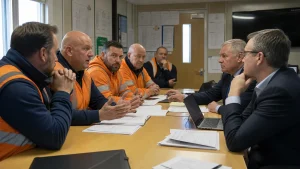
The RMT’s demand for RPI plus pay increases has sparked significant debate within both political and economic circles.
While the union argues that such increases are necessary to protect workers from inflation, critics question the long term affordability of these demands.
To understand the controversy, it is important to compare the two primary measures of inflation used in the UK.
Comparison of Inflation Measures
| Inflation Measure | Current Rate | Common Usage | Impact on Pay Negotiations |
| Retail Price Index RPI | 5.3% | Used by unions and some contracts | Leads to higher wage demands |
| Consumer Price Index CPI | 3.4% | Preferred by government | Results in lower pay increases |
The difference between these figures may appear small, but when applied across thousands of workers, it represents a significant financial gap.
For the government, agreeing to RPI based increases across the rail sector could increase public expenditure considerably.
Another point of contention is the demand for unconditional pay deals. The government and rail operators have argued that wage increases should be linked to modernisation efforts, such as digital ticketing systems and revised staffing structures.
These changes are seen as essential for improving efficiency and reducing long term costs.
From the union’s perspective, however, such conditions risk undermining job security and altering established roles.
This explains the insistence on “no strings” agreements, which aim to separate pay from structural reforms.
Which Train Companies Could Be Affected by the Strike Action?
The scale of the RMT union train strike threats becomes clearer when examining the number of operators involved.
With disputes declared across 11 train companies, the potential for disruption spans the majority of the UK rail network.
Train Operators Affected by RMT Disputes
| Operator | Region Covered | Type of Service |
| Avanti West Coast | Long distance | Intercity |
| Northern Trains | North of England | Regional commuter |
| Great Western Railway | South West and London | Mixed services |
| Govia Thameslink Railway | London and South East | High capacity commuter |
| TransPennine Express | Northern cities | Intercity regional |
| Southeastern | South East England | Commuter |
| West Midlands Trains | Midlands | Regional |
| Greater Anglia | East of England | Commuter and regional |
| Chiltern Railways | London to Midlands | Regional |
| East Midlands Railway | Midlands | Intercity and regional |
| London North Eastern Railway | East Coast | Intercity |
This widespread involvement means that disruption would not be confined to a single geographic area.
Instead, it would affect both urban commuting networks and long distance travel corridors, increasing the overall impact on passengers.
How Could Rail Strike Threats Impact UK Commuters and Businesses?
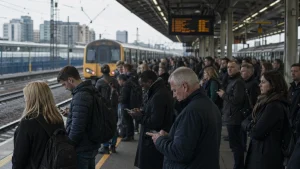
The consequences of the RMT union train strike threats extend far beyond delayed journeys.
Rail services are a critical component of the UK’s economic infrastructure, and disruptions can have cascading effects across multiple sectors.
Impact of Rail Disruption Across Key Areas
| Sector | Level of Impact | Key Effects |
| Commuters | High | Delays, overcrowding, missed connections |
| Businesses | Medium to High | Reduced workforce availability |
| Tourism | Medium | Cancelled trips and reduced visitor numbers |
| Freight | Medium | Supply chain delays |
| Education | Medium | Attendance challenges |
For daily commuters, even minor disruptions can lead to significant inconvenience.
Reduced timetables often result in overcrowded trains, longer waiting times, and limited route options. This can affect punctuality at work and overall productivity.
Businesses face a different set of challenges. Staff delays can disrupt operations, particularly in sectors that rely on physical presence such as retail, healthcare, and manufacturing.
In some cases, companies may need to implement temporary remote working arrangements or adjust shift patterns.
A rail operations manager offered insight into how disruption unfolds in practice:
“When services are reduced, the network does not simply shrink in a neat and predictable way. Pressure builds quickly at key stations, delays compound, and even routes that are not directly affected begin to experience knock on effects.”
This observation highlights the interconnected nature of the rail system and explains why coordinated strike action can have such widespread consequences.
What Is the Government and Rail Industry Response to These Strike Threats?
The government’s response to the RMT union train strike threats has focused on maintaining financial discipline while encouraging continued dialogue.
Officials have pointed to previous successful negotiations in which pay agreements were reached without the need for industrial action.
Table: Government and Industry Positions
| Stakeholder | Position | Key Argument |
| UK Government | Cautious | Emphasis on affordability |
| Treasury | Restrictive | Limits on public spending |
| Train Operators | Constrained | Limited negotiating power |
| Rail Executives | Reform focused | Support for modernisation |
One of the main challenges facing negotiators is the centralised nature of decision making. Because the government ultimately controls funding, train operators have limited flexibility to respond to union demands independently.
Rail industry leaders have also emphasised the importance of modernisation. They argue that efficiency improvements are necessary to ensure the long term sustainability of the rail network, particularly in a context of rising costs and changing travel patterns.
At the same time, political considerations play a role. Industrial action on a national scale can influence public opinion and place additional pressure on policymakers, especially during periods of electoral uncertainty.
How Are Other Rail Unions Like ASLEF Contributing to Disruption?
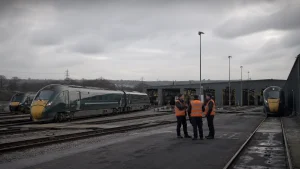
The involvement of other unions adds another layer of complexity to the situation. ASLEF, which represents train drivers, has also indicated the possibility of industrial action, particularly in regions such as East Anglia.
Unlike the RMT, which represents a broader range of rail workers, ASLEF focuses specifically on drivers.
This distinction is important because driver shortages can halt services even if other staff remain available.
Current developments include:
- Ballots for potential strike action
- Disputes over delayed pay negotiations
- Regional focus with potential for wider escalation
If both unions proceed with strike action, the combined effect could significantly amplify disruption.
Coordinated or overlapping strikes would make it more difficult for operators to implement contingency plans, increasing the likelihood of widespread service reductions.
What Can Be Learned from Recent London Underground Strikes?
Recent strikes on the London Underground provide useful insights into how industrial action may unfold in the current environment.
Despite initial concerns, many services continued to operate, and disruption was less severe than anticipated.
London Underground Strike Service Levels
| Line | Percentage Operational |
| Bakerloo | 66.0% |
| Victoria | 64.0% |
| Northern | 61.3% |
| Jubilee | 56.3% |
| Waterloo and City | 57.4% |
| Metropolitan | 50.1% |
| Piccadilly | 32.9% |
| Circle | 0.0% |
These figures suggest that improved contingency planning and staffing strategies can mitigate the impact of strikes to some extent.
However, it is important to note that national rail services operate on a larger and more complex scale than the Underground.
While lessons can be drawn from these experiences, the potential for disruption remains significantly higher in the case of nationwide rail strikes.
What Should Passengers Do During Rail Strike Disruptions?
Preparation is essential for minimising the impact of potential disruption caused by the RMT union train strike threats. Passengers who plan ahead are more likely to avoid major inconvenience.
Key practical steps include:
- Checking official rail updates before travelling
- Allowing additional time for journeys
- Exploring alternative transport options
- Staying informed about timetable changes
In addition, passengers should be aware of their rights regarding refunds and compensation.
Train operators typically provide options for reimbursement in cases of significant delays or cancellations, although policies may vary depending on the circumstances.
Will the RMT Union Train Strike Threats Lead to Nationwide Walkouts?

The likelihood of nationwide strikes depends on several evolving factors, including the progress of negotiations and the outcome of union ballots.
At present, the situation remains uncertain, but the scale of the dispute suggests a high risk of escalation.
Key influencing factors include the willingness of the government to adjust its position on pay, the ability of unions to secure member support for strike action, and the broader economic environment.
Given the number of operators involved and the coordinated approach being proposed, any decision to proceed with strikes would likely have far reaching consequences for the UK rail network.
Conclusion
The RMT union train strike threats highlight growing tensions within the UK rail industry, driven by disputes over pay, working conditions, and the future direction of the sector.
With multiple operators involved and the possibility of coordinated action, disruption could be widespread if agreements are not reached.
Passengers, businesses, and policymakers will need to stay informed and prepared as the situation develops.
FAQs
What are the RMT union train strike threats about?
They relate to disputes over pay, working conditions, and demands for above-inflation wage increases without conditions.
When could the UK train strikes happen?
Dates have not been finalised, but strikes may occur if negotiations fail and ballots are approved.
Which train companies are affected by the dispute?
Eleven major operators, including Avanti West Coast and Northern Trains, are currently involved.
Will all train services stop during a strike?
Not necessarily. Some services may continue under contingency timetables, but disruption is expected.
Can passengers get refunds for cancelled trains?
Yes, passengers are typically entitled to refunds or compensation for cancellations and delays.
How can commuters prepare for rail strikes?
By checking updates, planning alternative routes, and allowing extra travel time.
Are other unions involved in rail strike action?
Yes, ASLEF is also considering strike action, which could increase disruption.
What is your reaction?