Strategic Use of Lifting Tables in Modern Industrial Operations

Industrial companies face increasing pressure to optimise production, reduce workplace injuries, and maintain a consistent output level across all shifts. As business demands grow, many companies evaluate their material handling processes to identify areas where efficiency and safety can be improved.
One solution that supports these objectives is the lifting table. This guide focuses on how lifting tables function as a strategic business tool and how they can contribute to long-term operational performance.
How Do Lifting Tables Strengthen Modern Industrial Operations?
Business Value of Lifting Tables

A lifting table is designed to raise or lower goods to the required height, allowing employees to handle materials in a stable and ergonomic position.
While the ergonomic advantage is widely recognised, many companies overlook the broader business impact of this equipment. The lifting table creates a predictable handling process, reduces unnecessary manual movements, and supports more consistent production outputs.
When material handling becomes more uniform, production planning becomes easier. Managers can better estimate task duration, and workflows become less dependent on the physical limitations of individual employees. This predictability is valuable for companies that operate multiple shifts or have high employee turnover.
Operational Advantages in Industrial Environments
In production facilities, lifting tables support a more controlled flow of goods. They allow workers to position items at the correct level during assembly, testing, or packing. This leads to more reliable process quality because employees can focus on accuracy without compensating for uncomfortable working positions.
In warehouse operations, lifting tables contribute to smoother pallet preparation and increase the speed of goods movement. They help maintain a constant working rhythm by reducing the manual lifting load that normally disrupts workflow. This is particularly useful in high-volume environments where even small time reductions per pallet can influence overall daily output.
Adaptability to Industry-specific Processes
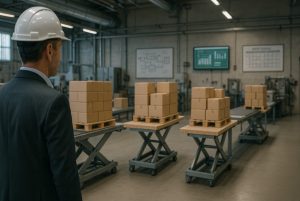
From a business perspective, one of the most important aspects of lifting tables is their ability to be adapted to various industrial processes. Equipment configurations differ in platform size, lifting height, load capacity, and material type. Stainless steel lifting tables are relevant for industries that require strict hygiene control.
Painted steel models are common in general manufacturing. Customised solutions can be developed when standard equipment does not fully match the required workflow. This may include special platform shapes, integrated handling aids, or compatibility with automated systems.
Workplace Safety and Cost Reduction
Workplace injuries related to manual lifting often lead to unplanned absences, compensation claims, and a decline in staff productivity. A lifting table significantly reduces these risks by enabling safe and repeatable handling movements.
Over time, companies may experience fewer disruptions and lower costs associated with injuries. Stable handling of goods also reduces damage to products and equipment. This contributes to lower replacement expenses and helps maintain consistent product quality.
Why Lifting Tables Support Long-term Business Goals?
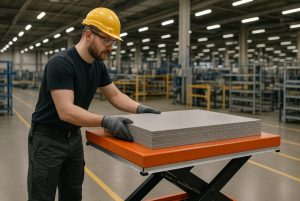
For companies that aim to improve operational reliability, lifting tables are a practical investment. They support ergonomic handling, create more consistent workflows, and limit production interruptions. Their adaptability also allows integration into both existing and new processes.
What is your reaction?