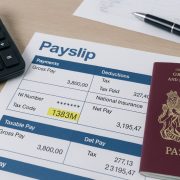
Over 55s Urged to Withdraw Small Amount From Pension to Avoid Emergency Tax Code by HMRC

For individuals aged 55 and over, accessing pension savings is an important financial milestone.
However, doing so without understanding the potential tax implications can lead to unexpected deductions.
HM Revenue and Customs (HMRC) has issued guidance that a simple action such as withdrawing as little as £1 or £10 can prevent being placed on an emergency tax code.
This precaution could save pensioners from substantial overpayments and lengthy refund processes.
Why Are Over 55s Being Advised to Withdraw a Small Amount From Their Pension?

Individuals aged over 55 have access to their pension pots under current pension freedom rules, but this freedom comes with hidden complications.
One such complication is the application of an emergency tax code when a pension withdrawal is made for the first time.
The guidance from HMRC and financial experts is increasingly clear: a small withdrawal, even just £1 or £10, can prevent a large and incorrect tax deduction.
HMRC typically has no prior data on a retiree’s withdrawal intentions. As a result, when a lump sum is withdrawn, HMRC applies an emergency tax code that assumes the payment will recur monthly.
This overestimates income, placing the individual into a higher temporary tax bracket.
Over £50 million was refunded to pension savers in the UK in 2024 alone due to these emergency tax code miscalculations.
A small test withdrawal allows HMRC systems to adjust and allocate the correct tax code for future payments.
This proactive step can prevent delays in accessing the full value of a pension and reduce the risk of over-taxation at the moment of withdrawal.
What Is an Emergency Tax Code and How Does It Affect Pension Withdrawals?
An emergency tax code is used by HMRC when there is insufficient information about an individual’s full earnings.
This commonly occurs when a person accesses their pension for the first time, and the provider does not have an up-to-date tax code.
Emergency codes usually assume a regular monthly income and ignore other forms of income, tax-free allowances, or full-year salary history.
The most common emergency tax code applied is 1257L W1/M1, which means the taxpayer’s allowances are divided monthly rather than annually. This results in excessive tax deductions for a one-off withdrawal.
The emergency tax code effectively treats a pension withdrawal as if the amount withdrawn is going to be received every month for the remainder of the tax year.
Here is an example of how an emergency tax code may affect a pension withdrawal:
| Scenario | Withdrawal Amount | Tax Deducted (Emergency Code) | Tax Owed (Basic Rate) | Excess Tax Paid |
| First Withdrawal | £20,000 | £7,379 | £1,484 | £5,895 |
This calculation assumes the individual is a basic-rate taxpayer. Without intervention, the overpaid tax must be reclaimed manually or at the end of the tax year.
How Can Withdrawing £1 or £10 Help Avoid Overpaying Tax?

Taking a small initial amount from a pension pot is a proven method to signal HMRC to issue an accurate tax code.
When this minor transaction occurs, it triggers a communication from HMRC to the pension provider.
The correct tax code is then assigned to the account, ensuring the following withdrawal is taxed appropriately.
Financial experts like Royal London and PensionBee recommend this strategy. According to Royal London, this approach helps prevent misclassification of the withdrawal as recurring income, which is the root cause of emergency tax application.
Here’s how the process works in practice:
| Step | Action Taken | Purpose |
| 1 | Withdraw £1 or £10 | Initiates tax code assessment |
| 2 | Pension provider informs HMRC | Triggers coding update |
| 3 | HMRC sends correct code | Applied to future withdrawals |
| 4 | Larger withdrawal processed | Taxed accurately using updated code |
A token withdrawal offers a cost-free way to avoid administrative complexity later and ensures the retiree has better control over their finances.
What Happens If You Withdraw a Large Sum Without Taking Precautions?
Withdrawing a significant sum without first testing the system may result in a major overpayment of tax.
HMRC’s default assumption will be that the amount taken is part of a regular monthly income, which elevates the estimated annual income and consequently increases the tax withheld.
An example provided by Hargreaves Lansdown illustrates that a basic-rate taxpayer withdrawing £20,000 could face a deduction of £7,379 when only £1,484 is due. That is an overpayment of nearly £6,000.
Key risks include:
- Delayed refunds, often requiring manual reclaim through HMRC forms
- Compromised budgeting, especially if the withdrawal was needed for urgent costs
- Limited cash flow if funds are held up in tax systems for months
In such cases, pensioners are required to submit specific forms like P55, P53Z, or P50Z depending on their financial situation.
While HMRC may process these within 30 days, delays are common, particularly during peak tax periods.
Which Pensions Are Affected by the Emergency Tax Code?

Emergency tax codes generally apply to private pensions, including:
- Personal pension plans
- Self-invested personal pensions (SIPPs)
- Workplace pensions under defined contribution schemes
State pensions are not subject to emergency tax codes because they are taxed through the PAYE system based on regular payments and tax codes already in place.
However, individuals who combine a state pension with private pension income may still be affected if the private pension provider applies an emergency tax code to a first-time withdrawal.
It is important to note that emergency tax codes can also apply when taking advantage of flexible drawdown options.
These schemes allow retirees to take out variable amounts from their pension pot, but the first withdrawal is still likely to attract the emergency code unless steps are taken to avoid it.
What Do Financial Experts and Pension Providers Say?
Experts across the financial services industry agree on the importance of managing tax implications when withdrawing from a pension.
The consensus is that a small, initial withdrawal helps correct the tax code and prevents unnecessary deductions.
Quotes from industry authorities support this:
- THP Chartered Accountants: “The tax deducted is calculated as if the amount withdrawn will be paid again every month for the remainder of the tax year. This can lead to a significant overpayment.”
- Royal London: “If you take a large withdrawal from your pension for the first time, it may be taxed using an emergency tax code which can result in too much tax being deducted.”
- PensionBee: “HMRC requires providers to use an emergency tax code for the first withdrawal, assuming it will be repeated monthly. The result is that you pay more tax than you owe and have to claim it back.”
- Helen Morrissey, Hargreaves Lansdown: “Someone withdrawing £20,000 could face an emergency tax bill of £7,379 when they should only pay £1,484 as a basic-rate taxpayer.”
These quotes emphasise the significant financial benefit of strategic planning when accessing pension funds.
How Can You Reclaim Emergency Tax Paid on Pension Withdrawals?
If a large withdrawal is made without taking prior action and emergency tax has been deducted, there are structured ways to reclaim the overpaid tax.
HMRC provides three primary forms for this purpose:
- Form P55: Used if only part of the pension was taken and no further withdrawals are planned that tax year
- Form P53Z: For individuals who have taken the full pension and have other sources of income
- Form P50Z: For those who have taken the full pension and have no other income
These forms can be submitted online or by post, depending on the taxpayer’s preference. Refunds are typically issued within 30 days of submission, although seasonal processing backlogs may extend this timeline.
Pensioners are encouraged to:
- Keep all pension transaction statements
- Retain a copy of any tax code notices
- Follow up with HMRC if no update is received within six weeks
Acting promptly ensures that refunds are not delayed and that the appropriate code is applied to future pension withdrawals.
What Are the Best Practices to Avoid Emergency Tax on Future Pension Withdrawals?

To minimise the chances of being overtaxed or needing to claim a refund later, pensioners should take proactive steps in advance of any major withdrawal.
These include:
- Making a small (£1 or £10) withdrawal before any large sum
- Contacting the pension provider to confirm the correct tax code is in use
- Verifying personal tax details with HMRC
- Allowing time for HMRC to communicate updates to the provider
- Planning large withdrawals after the tax code is updated
By integrating these practices into their pension withdrawal strategy, individuals over 55 can avoid common pitfalls and maintain better control over their retirement income.
Conclusion
Over 55s accessing pension savings should take proactive steps to understand the impact of emergency tax codes.
A simple token withdrawal can prevent unnecessary tax deductions and reduce the risk of being overcharged.
With HMRC refunding tens of millions each year due to emergency tax errors, awareness and preventive action are key.
By staying informed and seeking advice where necessary, pensioners can ensure their retirement funds are handled with care and efficiency.
FAQs About Pension Withdrawals and Emergency Tax
What is the main reason HMRC applies an emergency tax code to pensions?
HMRC applies an emergency tax code when it lacks full details of an individual’s income, treating a pension withdrawal as if it’s monthly income for the rest of the tax year.
Can I avoid emergency tax by informing HMRC before I withdraw?
Typically, the emergency tax is triggered automatically with a first withdrawal. Taking a small initial amount is the most effective way to prompt HMRC to issue the correct tax code.
How long does it take to get a refund from HMRC?
Refunds usually take around 30 days if you submit the correct form, but it can take longer depending on HMRC’s processing times.
Does emergency tax apply to all types of pension withdrawals?
Emergency tax generally applies to private and personal pensions, not state pensions. However, it may affect those withdrawing from workplace or SIPP pensions.
What if I need to withdraw a large amount urgently?
If urgency is unavoidable, prepare to submit a reclaim form after the withdrawal or speak with your provider to mitigate excessive deductions.
Is the 25% tax-free portion of my pension still affected?
No, the 25% tax-free lump sum is not subject to emergency tax. However, the remainder of your withdrawal may still be impacted.
Can I prevent emergency tax every time I make a withdrawal?
Once HMRC has issued a correct tax code after the first small withdrawal, future transactions are usually taxed correctly, though it’s still wise to monitor deductions regularly.
What is your reaction?