Modern Laboratory Quality Control Trends for UK Businesses

Laboratory quality control has seen substantial transformation over recent years, with UK businesses adopting increasingly sophisticated analytical tools to maintain standards and regulatory compliance.
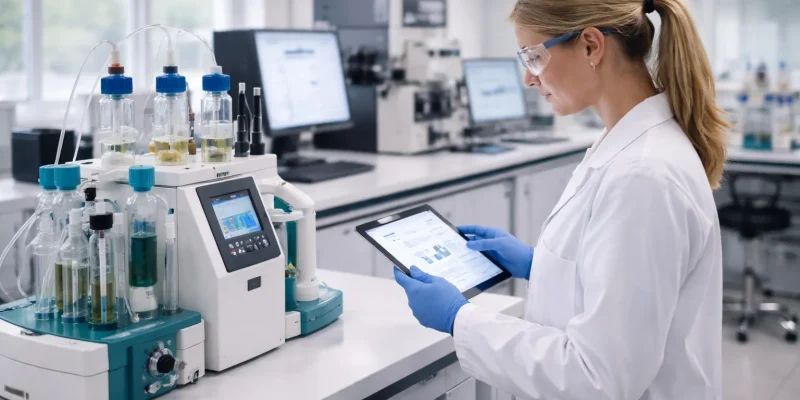
At the centre of many quality assurance processes sits the titrator, a precision instrument that determines concentration through carefully measured chemical reactions.
The global titration instruments market is considered to be significant and is expected to grow in the coming years, leading UK laboratories to invest in these technologies to improve accuracy and efficiency.
The progress in titration equipment reflects broader industry trends toward automation and data integration. Modern titrators now feature advanced endpoint detection, seamless software connectivity, and reduced reagent consumption, addressing both practical and sustainability concerns for British laboratories.
From pharmaceutical manufacturing to environmental monitoring, these instruments serve as essential components in maintaining product quality and safety standards across multiple sectors.
The Evolution of Titration Technology in UK Laboratories

Pressure to comply with updated national standards and deliver consistent results has led to innovation in laboratory instrumentation.
This industry trend has steered many UK facilities away from manual titration methods, like pipetting or visual endpoint determination, towards automated digital titrators.
These platforms perform precise measurements and capture electronic results, helping laboratories overcome inconsistencies that come with manual recording.
There has been a noticeable increase in interest and adoption of automated titration systems in British analytical laboratories. As regulatory expectations for data integrity and traceability increase, facilities are replacing manual methods with integrated systems.
Laboratories seeking to upgrade their capabilities can explore options to purchase titrators online from leading suppliers offering solutions for various applications.
Seamless connectivity between titration instruments and data management systems delivers measurable improvements.
With instruments sending results directly to LIMS, laboratories cut down on time-consuming double-checks and reduce transcription errors.
Practically, these advances allow staff to shift focus from routine data entry towards more detailed analysis and compliance monitoring. British labs that have adopted modern titration solutions often report reductions in processing times and lower operator-based mistakes.
Implementation of automated platforms, paired with structured staff training, supports both productivity and compliance. These improvements contribute directly to faster test cycles and better resource allocation.
Key Innovations Driving Laboratory Efficiency
Advanced Software and Integration Solutions
Artificial intelligence and integrated software are increasingly present in laboratory workflows, especially in clinical and analytical settings.
These technologies can help identify unusual data patterns or sample irregularities, prompting fast reviews and preventing compliance issues or batch recalls.
While AI is more established in broader clinical lab operations, titrators with advanced software are helping lab managers act quickly when anomalies arise, reducing potential product losses or regulatory penalties.
Integration across analytical platforms is also common. Titrators now connect with balances and autosamplers, which streamlines operations and maximises use of laboratory assets.
In food and beverage settings, titration ensures acidity and preservative levels meet strict regulatory benchmarks. Dairy processors use titration to confirm correct pH ranges.
This supports both food safety and taste consistency. Beverage manufacturers rely on titration to check sulphite levels in wine. This maintains compliance with labelling laws. Digital documentation supports swift inspections and helps facilities remain audit-ready.
A frequent challenge in food laboratories is the incorrect standardisation of reagents, which may affect batch release accuracy. Successful facilities address this issue through regular calibration using certified materials, helping decrease non-compliance risks.
Automation, data management, and sound calibration routines can contribute to faster batch approvals and consistent product quality.
Regulatory Compliance Challenges for UK Laboratory Operations

Post-Brexit regulatory changes have created a challenging environment for UK laboratories. The UK REACH framework now operates independently from EU regulations, requiring separate registrations and documentation for chemicals used in laboratory testing.
This shift has prompted many facilities to review their data management systems to ensure compliance with both domestic and international standards.
Data integrity has become a central focus for regulatory bodies, with requirements for complete audit trails and electronic signatures. Modern titration systems address these needs through secure software that maintains unalterable records of all testing activities.
For laboratories seeking guidance on meeting these requirements, comprehensive titrator purchasing resources include in-depth technique guidance from industry professionals.
GLP and GMP standards continue to change, with growing attention on validation of analytical methods. UK laboratories must demonstrate that their titration procedures are suitable for use through documented validation studies.
This includes verification of accuracy, precision, linearity, and robustness across the analytical range.
Documentation requirements extend beyond test results to include reagent traceability, instrument calibration records, and staff training documentation.
Automated titration systems simplify compliance by generating thorough reports that satisfy regulatory expectations while reducing the administrative burden on laboratory staff.
Sustainability Initiatives in Modern Laboratory Practices
UK laboratories are increasingly adopting sustainable practices, with titration at the forefront of these efforts.
Automated titrators can help reduce reagent consumption through precise dispensing mechanisms, minimising chemical waste and associated disposal costs. Some facilities have observed notable reductions in reagent usage after implementing modern titration systems.
Energy efficiency has become another priority, with newer titration instruments designed to consume less power during operation and standby modes.
This aligns with broader corporate sustainability goals and helps lower operational costs over the instrument lifecycle.
Waste reduction strategies extend to sample preparation and analysis workflows. Miniaturised titration methods require smaller sample volumes, decreasing both the environmental impact and the cost of testing.
For laboratories looking to improve their sustainability profile, modern titration systems include options specifically designed for low-volume applications.
Optimising Quality Control for Different UK Industry Sectors
Pharmaceutical manufacturers face strict regulatory requirements for product testing and release. Titration plays an important role in active ingredient assays, dissolution testing, and impurity analysis.
The precision and reproducibility of automated titration systems help ensure batch-to-batch consistency while maintaining compliance with MHRA expectations.
Food and beverage producers rely on titration for quality parameters including acidity, salt content, and preservative levels.
Rapid turnaround times are essential in this sector, where production schedules depend on timely analytical results. Automated titration systems with sample changers allow continuous operation, supporting 24-hour production environments.
Environmental monitoring programmes use titration for water quality analysis, measuring parameters such as alkalinity, hardness, and dissolved oxygen. Field-portable titrators enable on-site testing, providing immediate results that inform time-sensitive decisions about water treatment and environmental protection measures.
Academic institutions benefit from titration systems that combine research-grade performance with educational features. These instruments help prepare students for industry roles by providing experience with the same technologies they will encounter in professional laboratories.
Implementing Advanced Titration Systems: Practical Considerations
Cost planning for advanced titrators requires careful review of both upfront and long-term savings. Automation often leads to less hands-on time for staff and lower chemical usage due to precise dispensing.
UK laboratories implementing automated titration platforms often note measurable savings and improved batch throughput, reducing the risk of shipment delays.
Automation in laboratory processes can contribute to more consistent data and streamlined record-keeping, which may help support compliance during inspections. These operational improvements can result in greater efficiency and reduced administrative workload.
Routine maintenance and regular calibration schedules sustain measurement reliability. Following manufacturer recommendations for maintenance helps maintain performance.
Using certified reference materials for calibration ensures accuracy. Keeping these steps central to operations helps UK laboratories meet both current and future quality control and regulatory requirements.
What is your reaction?