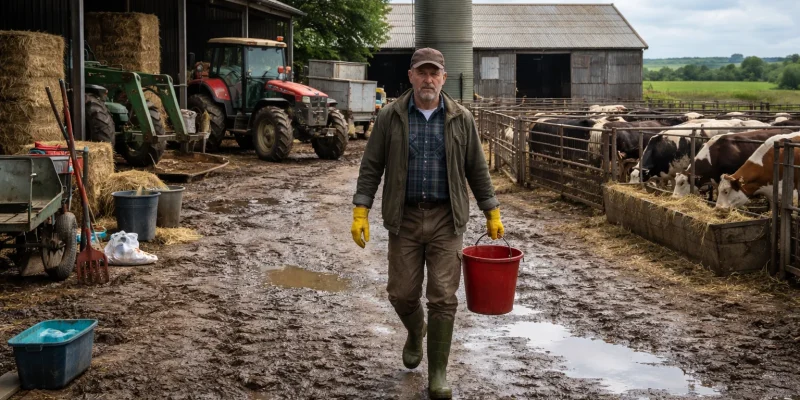
Managing Common Farm Hazards With the Right Safety Products

Farm work rarely gives you a quiet moment, and it’s easy for safety to feel like something you’ll “get to later”.
But every farm has its fair share of hazards. Maybe it’s unpredictable livestock, heavy machinery that always poses a danger when not handled well, or a mix of mud, dust, and chemicals.
Having the right safety products nearby is a key part of dealing with this. If something snaps or spills, you know that there’s a layer of protection between you and the worst-case scenario.
Today, we’ll look at the most crucial safety items that farms often lean on.
How Can You Manage Common Farm Hazards With the Right Safety Products?
Essential First Aid Supplies for Fast Response
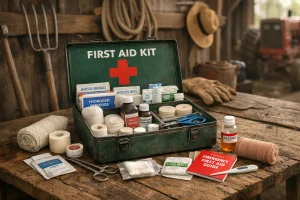
Every farm experiences that moment when you need to act fast. Maybe it’s a small cut from the fencing or something more serious caused by the rush of a busy day.
When you have well-stocked first aid kits around, you know you can respond to emergencies quickly and effectively.
You won’t have to search through drawers or run back to the house looking for a bandage. The basics will be within reach to help you clean, cover, or stabilise an injury before you decide what to do next.
There is a wide variety of first aid kits, so ensure you choose those that align with farm work emergencies.
You should then consistently refill your items to ensure that you can always sort something you need to.
Protective Footwear for Yard, Field, and Workshop Work
Farm work can take you through many different surfaces in a single day, and you need to protect your feet at all times. Using the right footwear is a crucial measure in preventing significant damage.
When you are out in the yard, you need sturdy boots with toe protection. They will keep you safe when working around animals, trailers, or heavy equipment.
When you are in the field, you’ll need a pair of wellingtons, as they’ll protect your feet from water and let you walk comfortably through mud and long grass. If you plan to use them in varied areas of the farm, you can get a pair with safety toe caps and enhanced traction.
Gloves for Mechanical Tasks, Livestock Work, and Chemical Handling
Hands take the brunt of most farm jobs, so it’s good to have a pair of gloves nearby. However, different work areas call for different types of protection, so you’ll also need to match the gloves to the job.
If it’s mechanical work around machinery or tools, you need to protect your hands with tough, abrasion-resistant gloves. They should have a good grip for handling metal parts and loosening bolts.
When dealing with livestock, you’ll need something that balances both durability and feel. It should offer protection from rope burns and minor scrapes, but it should still let you handle animals calmly.
When dealing with chemicals, ensure you have special gloves that have barrier protection. It’s good to dedicate these to that job alone for health safety.
Protecting Eyes, Hearing, and Lungs From Daily Farm Exposures
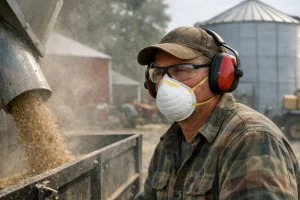
Farming usually exposes workers to a mix of sounds and airborne particles that change with the seasons, weather, and time of day.
Some may actually appear minor or you may barely notice them, but they accumulate over time and can affect the health of workers.
When doing tasks that send debris into the air, like when using power tools, it’s good to have eye protection, like safety glasses.
Grain dryers and chainsaws can also affect your ears over the long term, so use ear defenders or foam earplugs to take the edge off.
Masks and respirator filters are also crucial when you are working in grain stores and spraying crops, as they prevent fumes, dust, and spores from getting into the lungs.
Such measures will help create a safer work environment and protect the health of your workers.
What is your reaction?