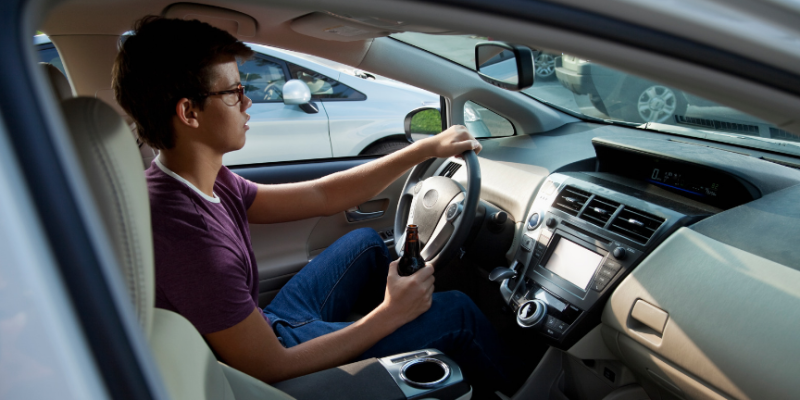
How Many Units of Alcohol is Legal to Drink and Drive?

Drinking while driving is one of a driver’s most dangerous things. Despite years of safety measures, one in every eight road fatalities causes by a drunk driver. To keep you and others safe while driving, strict alcohol limits. These limits define by units of alcohol that you are permitted to consume before it becomes too dangerous to get behind the wheel.
Knowing these units of the drink-drive limit might assist in guaranteeing road safety. Drinking under the influence of alcohol is unlawful, and you might risk incarceration, a driving restriction, and a fine. Alcohol often slows you down and influences how your body reacts, making driving dangerous. Knowing the units for the drink-drive limit can allow you to get behind the wheel safely.
Here’s our guide to being safe and on the right side of the law and we will discuss how many units of alcohol are legal to drink and drive in the United Kingdom.
The law in the UK regarding alcohol and driving
The law in the UK regarding alcohol and driving is relatively straightforward. It is illegal to drink and drive any amount of alcohol, regardless of whether or not you are over the legal driving age. The maximum limit for blood alcohol content (BAC) is 80mg/100ml, which means that it is illegal to have any level of alcohol in your system if you are driving.
However, there are some exemptions to this rule. You are allowed to drink and drive if you are over the legal driving age but you have a medical exemption certificate from your doctor. You also have the right to drink and drive if you are under the legal driving age and you have a provisional driver’s licence. In both cases, you must abstain from drinking while driving.
The maximum blood alcohol level that is legal to drive
In the UK, it is illegal to drive with a blood alcohol level of more than 80 milligrams (mg) in 100 milliliters of blood. This means that it is illegal to drive with a Blood Alcohol Level (BAL) above 0.08%.
The limit for male drivers is lower at 75 mg/100 ml and for female drivers it is lower still at 50 mg/100 ml. If you are over the legal limit, you will be arrested and could face a fine or even jail time.
What is the drink-driving limit in the United Kingdom?

The quantity of alcohol in your system may determine by testing your breath, blood, or urine. Each has a slightly different measurement. You are above the legal limit if you have more than 35 micrograms of alcohol in 100 millilitres of breath in England, Wales, or Northern Ireland.
- The alcohol content of 80 milligrams per 100 millilitres of blood
- One hundred millilitres of urine contains 107 milligrams of alcohol.
- The drink-driving limitations are lower in Scotland. This aligns it with the majority of Europe. In Scotland, you are above the limit if your breath contains more than – 22 micrograms of alcohol per 100 millilitres.
- The alcohol content of 50 milligrams per 100 millilitres of blood
- One hundred millilitres of urine contains 67 milligrams of alcohol.
How many drinks can I have before driving?
People often attempt to calculate their ability to drink and drive based on the number of alcohol units. One pint of 5% beer, for example, usually is 2.8 units. According to some, you may drink up to four teams and still drive safely.
However, it is not as simple as that. Several elements influence alcohol absorption into your system that can even make you sick. Everything determines by your age, weight, gender, metabolism, stress levels, and food intake. It implies that you can have a varied response to the same pint of beer on various occasions.
The most excellent way to ensure that you are not over the limit while driving is not to consume alcohol.
How Many Units of Alcohol Are You Allowed to Drive?
Drinking and driving is never a good idea, no matter where you are in the world. In the UK, it’s illegal to drink and drive with any amount of alcohol in your system. This includes driving with any amount of alcohol in your blood, even if you’ve only had one glass of wine.
If you’re caught driving while intoxicated, you will likely be charged with a DUI (driving under the influence). Knowing the laws surrounding drinking and driving is important if you want to avoid getting into trouble. Make sure you know the safe limit for alcohol in your country and avoid driving if you’re feeling impaired by alcohol.
How Many Units of Alcohol is Legal to Drive?
Alcohol is a legal substance in the UK, which means that you’re allowed to drink and drive. The legal limit for alcohol is 80 millilitres (2 ounces), which can be divided into two 25-millilitre (1 ounce) drinks or four 10-millilitre (0.35 ounce) drinks. You’ll face fines and possible jail time if you’re over the limit. Ensure you know the limit so that you don’t get pulled over and fined. Drive safe and drink responsibly!
How Many Units is Safe to Drive?
It’s no secret that driving while under the influence of alcohol is dangerous. In the UK, it’s illegal to drink alcohol and drive. The limit is 2 units of alcohol, which is equivalent to 80mg of alcohol per 100 ml of blood. If you’re over the legal driving age or if you’ve had an alcoholic drink within two hours before driving, you’re at risk of getting into trouble. If you’re caught driving while under the influence of alcohol, your license may be suspended, or you could face fines up to £5,000. So, make sure to drink responsibly and drive sober!
How many units of Alcohol to Drive England?
Alcohol driving is a dangerous habit and should not be taken lightly. In England, the limit for alcoholic driving is 80 milligrams of alcohol per 100 millilitres of blood (0.08%). That means that it’s safe to drive with up to 10 units of alcohol in your bloodstream. If the police suspect you’re driving under the influence of alcohol, they can test your blood sample.
It’s also important to be aware of the laws in your state or country when it comes to drinking and driving. For example, the limit for alcohol-driving in the United States is 0.08%, while in Canada, it’s 0.05%. So, be sure to check the limit for alcohol-driving in your country before driving.
How many units of Alcohol to Drive in Scotland?
It’s no secret that alcohol can impair driving skills. In the United Kingdom, it’s illegal to drive with more than zero units of alcohol in your blood. This limit decreases with every additional unit of alcohol you drink – so if you’ve had two units of alcohol, you’re considered drunk and shouldn’t be driving.
In Scotland, the legal limit is lower than in England – it’s currently 0.08% breath alcohol concentration (BAC). So, if you’re planning on travelling to either of these countries, be sure to know the legal limits for driving with alcohol in your bloodstream. And if you’re ever found driving while impaired by alcohol, don’t hesitate to contact the police.
How many units of Alcohol to Drive Ireland?
In Ireland, the limit is lower – you are allowed to have up to 0.05% blood alcohol content (BAC) before getting pulled over. This means that you’re driving drunk even if you’ve only had one drink. So, if you’re planning on driving after drinking, it’s important to be aware of the laws of your respective country. Make sure to drink responsibly and drive with caution!
How Many Micrograms of Alcohol in a Pint?
One pint of alcohol contains approximately 0.06 grams of alcohol. That’s about one-seventh the amount of drink in a standard bottle of wine or beer and far less than what’s in a glass wine cocktail or margarita. So, it’s important to remember that even a small amount of alcohol can have significant consequences when you’re driving. Even if you only have one pint of beer or wine, drink responsibly and drive with caution!
What about the morning following the previous night?
You should also avoid driving the morning following the night before. It causes a lot of individuals to become trapped. They believe the alcohol has left their system, yet they are still above the legal limit.
Again, there is no foolproof method to determine whether you have over the limit. Even at-home test kits are not entirely trustworthy. A cold shower and copious amounts of coffee do not help. It is preferable to avoid driving the morning after the night before ultimately.
How long can you drive after drinking?

There is no one-size-fits-all technique for determining how long you should wait to drive after drinking again.
The quantity of pure alcohol in a drink is measured in units of alcohol. One unit equals 10ml of pure alcohol, considering the amount of alcohol an average adult can metabolize in an hour. As a result, there should be little to no alcohol remaining in an adult’s blood within an hour.
On average, a pint of beer will take two hours to exit your system, while a big glass of wine may still be in your blood four hours later. It also takes an hour for blood to enter the system.
Even if you believe you’re OK to drive, you probably aren’t, and the best thing to do is not drink and drive. Even small quantities of alcohol may impair your ability to go, so avoid consuming any alcohol while driving.
Overall, how much alcohol can you consume before driving?
The drink-drive limit does not have a unit version; instead, it measures milligrams per 100 millilitres. Body mass, gender, and how rapidly your body absorbs alcohol are all characteristics that might affect your capacity to drink.
In general, two pints of beer or two small glasses of wine will put you above the legal limit. The longer it takes for a drink to leave your system, the longer it takes to go into your system. Thus a big glass of wine (250ml) might stay in your blood for four hours later.
While a pint takes less time to exit your system (two hours instead of four), it still takes an hour to absorb into your body. All of this implies that if you drink four pints and stop drinking at midnight, you won’t be able to drive until 9 am. To be safe, if you treat yourself to a bottle of wine, you should not drive until 1 pm the following day.
Everyone has different limitations since our bodies absorb alcohol differently. The most straightforward approach to being safe behind the wheel and within the law is not to drink if you want to drive. It would help if you also allowed plenty of time the following day before departing.
FAQs – How Many Units of Alcohol to Drive?
Can You Drink 2 Pints and Drive UK?
No, you cannot drink 2 pints and drive in the UK. The legal driving limit for alcohol in the UK is 80 milligrams of alcohol per 100 millilitres of blood or £0.08 per gram. If you are over the driving limit and are pulled over, you will be arrested and may face a fine. It is also illegal to drink any amount of alcohol while driving, even if it’s just a sip. Please drink responsibly!
Can I Drive After 1 Drink?
It is illegal to drive in the UK after having any amount of alcohol in your system. This means that you are not allowed behind the wheel even if you have had one drink. The legal limit for driving while impaired starts from zero mg per 100 ml of blood and increases with each additional unit of alcohol consumed.
Can I Drive After 1 Pint?
The answer to this question depends on several factors, including your driving record and the alcohol content of the pint you had at the time.
If you have no previous convictions for drunk driving or any other offenses, then it is considered a low-level offence and counts as 1 unit of alcohol.
For drivers with 2 or more prior convictions for drunk driving, it will be regarded as a higher-level offence and counts as 3 units of alcohol.
How Many Drinks Before Driving?
Drinking alcohol and driving in the United Kingdom is illegal and risky. In the UK, it’s illegal to drink alcohol and drive, and there are set limits as to how much alcohol you can drink before getting behind the wheel – it’s lower than what is considered the legal drinking age in most states.
Driving after drinking more than two units of alcohol decreases your reaction time, makes you less aware of your surroundings, and gives you a reduced sense of judgment. If convicted of drunk driving while under the influence of alcohol, drivers face 3 years imprisonment or an unlimited fine.
How Long Will 2 Beers Show Up on a Breathalyzer?
It depends on the type of breathalyzer. A standard Breathalyzer will show you how much alcohol is in your system for 2 drinks. If you have had more than 2 drinks, then your Breathalyzer may be able to detect it up to 4 hours after drinking.
Does Drinking Water Help Pass a Breathalyzer?
Yes, drinking water helps to dilute the blood and theoretically makes it harder for law enforcement officers to detect alcohol on your breath. Drinking plenty of water before driving can help you stay sober and avoid driving under the influence. However, always remember that even if you are sober and pass a breathalyzer test, they can still arrest you because of driving under the influence.
How Can I Get Alcohol Out of My Breath for a Breathalyzer?
Getting alcohol out of your breath for a breathalyzer can be tricky, but there are many ways to reduce its levels. Here are a few:
- Drink lots of water throughout the day to help hydrate your body and flush alcohol from your system.
- Eat garlic before drinking alcohol to inhibit its odour-causing effects.
- If none of this works, you may consider using a Breathalyzer that removes Alcohol from your breath.
Can I Pass a Breathalyzer After 3 Drinks?
Yes, you can pass a breathalyzer after 3 drinks. In the UK, it is illegal to drink and drive with any amount of alcohol in your bloodstream. This means that even if your blood alcohol level is below the legal driving limit of 0.08%, you can still be arrested for driving under the influence (DUI).
It’s also illegal to refuse a breathalyzer test after 3 drinks. This means that no matter how many drinks you have had, you will be required to take a breathalyzer test if requested by the police. The results of this test will determine whether or not you will be charged with DUI.
Conclusion
The penalties for drinking and driving in the United Kingdom are among the harshest in Europe. It’s also a bit more complex than we realize. Scotland, for example, has different boundaries than the rest of the UK (being more in line with European levels and about two-thirds that of the rest of the UK).
Individuals vary significantly, making the impact that alcohol has, and the continuous usage of alcohol can lead to the next stage of taking drugs like steroid injections. Given the severity of the penalties, estimating and attempting to drink up to the drink-drive limit is never a brilliant idea since many people will almost always get it wrong and exceed the limit.
What is your reaction?