Holidaymakers Warned About the Costly Mistake of Not Bringing Cash Abroad

British holidaymakers are being cautioned against relying solely on card payments when travelling abroad, as new findings reveal the financial pitfalls of not carrying cash.
While digital payments offer convenience, unexpected situations often require physical money, especially in rural or independent settings.
Survey data shows that a significant number of travellers face difficulties due to this oversight.
Understanding where and when cash is necessary can help avoid excessive fees and ensure a smoother, more budget-conscious holiday experience.
Why Are British Holidaymakers Still Relying Solely on Cards When Travelling Abroad?

British travellers continue to favour card payments when heading abroad, believing them to be a convenient and secure option.
However, new data shows this approach often leads to problems when cash is unexpectedly required.
A recent study conducted by Opinium on behalf of Be Clever With Your Cash revealed that 39 per cent of UK travellers have experienced situations during holidays where card payments were not accepted.
These issues typically occur in scenarios where small, independent businesses, taxi drivers, or tipping situations demand cash.
Travellers have found themselves unable to pay for meals, transport or basic shopping due to their over-reliance on cards.
This becomes more common in remote or rural areas where infrastructure may not support card machines or digital payments.
Local markets, public transportation and even small cafés in several countries still prefer or only accept cash.
Although cities and tourist centres have largely embraced contactless payments, rural destinations frequently lag behind in technology and access.
For British holidaymakers, not carrying cash can create avoidable stress and additional costs when access to ATMs or currency exchange services is limited.
What Are the Hidden Costs of Using Cards Overseas?
Using a debit or credit card abroad can feel like the easiest way to manage spending, but holidaymakers often fail to anticipate the fees and additional charges that can accumulate rapidly.
While many UK banks market their cards as travel-friendly, the reality is that card use abroad can lead to substantial hidden costs.
Foreign Transaction Fees
One of the most common charges applied when using a card abroad is the foreign transaction fee.
This fee is typically a percentage of the amount spent and is charged each time a transaction is made in a foreign currency.
Most UK high street banks apply foreign transaction fees ranging from 2.75% to 2.99%.
For example, if a holidaymaker spends £200 on meals or excursions, they could be charged nearly £6 in additional fees just for using their card.
These charges are often applied automatically and appear as separate items on the cardholder’s statement.
ATM Withdrawal Charges
Many travellers rely on ATMs abroad for convenience but are often surprised by the charges involved. There are usually two layers of fees:
- The fee from the local ATM provider
- The fee from the card issuer or UK bank
For example, a traveller using a debit card might face a flat ATM charge of up to £5, plus an additional currency conversion fee.
Some ATMs also prompt the user to select “with conversion” or “without conversion” — selecting the wrong option can lead to even higher fees due to inflated exchange rates.
Currency Conversion Markups
Currency conversion fees are often hidden in the exchange rate offered at the point of sale or ATM.
This practice, known as Dynamic Currency Conversion (DCC), lets the merchant or ATM operator determine the exchange rate rather than the cardholder’s bank.
While it may appear convenient to see the charge in GBP at checkout, this conversion usually includes a significant markup.
This markup can be as high as 10%, meaning the traveller is paying substantially more than they would by choosing to pay in the local currency. Vendors may even encourage DCC because they receive a portion of the markup as revenue.
Differences Between Debit and Credit Cards
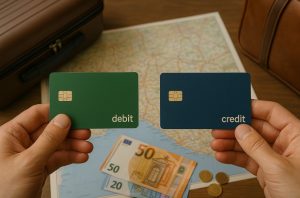
Credit and debit cards differ not only in protection but also in fee structures. Many standard debit cards apply fees per withdrawal and per transaction, and some also enforce minimum and maximum charges.
Credit cards might offer better fraud protection and benefits such as Section 75 coverage, but can also come with higher cash withdrawal penalties and interest rates if balances are not paid in full.
For instance:
- Debit card: £2.75 foreign transaction fee + £1.50 ATM fee
- Credit card: £2.99 transaction fee, plus interest from day one on cash withdrawals
Choosing the right card based on travel habits is essential to avoiding these costs.
Real-World Examples of Overseas Card Use
To better illustrate how these charges add up, consider a typical holiday scenario where a traveller spends and withdraws money as follows:
- Restaurant bill: £70
- Gift shopping: £120
- ATM withdrawal: £250
Using a standard UK debit card with average fee rates:
- Restaurant: £70 + £1.93 (2.75%)
- Gifts: £120 + £3.30 (2.75%)
- ATM: £250 + £5 ATM fee + £6.88 (2.75%)
Total in fees: Approximately £17.11 for just three transactions
While this may seem manageable in isolation, these charges can accumulate over a longer trip, especially when multiple transactions are made daily.
Comparison of Card Charges for a £250 Withdrawal Abroad
| Card Type / Provider | Foreign Transaction Fee | ATM Withdrawal Fee | Total Estimated Cost |
| HSBC Debit Card | 2.75% | £1.75 to £5 (based on amount) | ~£11.88 |
| Lloyds/Barclays Debit Card | 2.75% | Around £5 | ~£12.50 |
| Halifax Rewards Credit Card | 2.99% | Included in FX rate | ~£14.95 |
| Starling Bank (Fee-Free) | 0% | 0% | £0.00 |
Choosing a fee-free card can result in significant savings, particularly for frequent travellers or those spending large amounts abroad.
Should You Always Carry Cash When Travelling Abroad?
Carrying some cash while travelling is still recommended by financial experts. Amelia Murray from Be Clever With Your Cash advises British holidaymakers to bring a “cash cushion” to cover unexpected costs.
This does not mean carrying large amounts, but rather having a small reserve to manage situations where cards are not accepted.
For example, having around £100 in local currency can be useful for:
- Paying taxi fares in rural locations
- Purchasing items from local markets
- Tipping hotel or restaurant staff
- Covering emergency expenses when card payments fail
A common misconception is that card availability is universal. In fact, many countries still operate on a cash-first basis, especially in non-tourist areas.
Additionally, some merchants may charge a minimum spend for card transactions or add a surcharge, further reinforcing the need to carry local currency.
While theft and loss are valid concerns, taking basic precautions such as splitting your cash into multiple safe places and using a hotel safe can mitigate the risks.
Are Prepaid Travel Cards a Good Alternative to Cash?
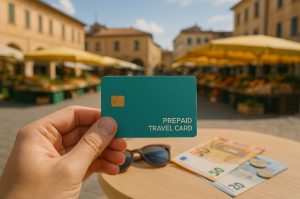
Prepaid travel cards provide a hybrid solution for those wanting to reduce their reliance on physical cash.
These cards allow users to load foreign currency in advance at competitive exchange rates.
Many of them are protected by security features similar to those of a regular debit card and are easier to block if lost or stolen.
Benefits of prepaid travel cards include:
- Locking in favourable exchange rates ahead of the trip
- Avoiding variable transaction fees
- Managing spending through mobile apps
- Reducing the risk of carrying large amounts of cash
However, prepaid cards are not universally accepted. They may be declined at petrol stations, toll booths, or smaller independent businesses.
Moreover, some cards come with inactivity fees, reloading limits or ATM withdrawal charges. Understanding these conditions is crucial before relying entirely on a prepaid card.
Top providers for UK travellers include:
- Revolut
- Wise (formerly TransferWise)
- Monzo
- Starling Bank (technically a current account but widely used like a prepaid travel card)
A comparison of features among top prepaid travel cards is outlined below:
| Travel Card Provider | FX Fee | ATM Fee | App Control | Exchange Rate Lock |
| Revolut | 0% | 0% up to limit | Yes | Yes |
| Wise | Low | Small fee | Yes | Yes |
| Monzo | 0% | Limited withdrawals | Yes | No (uses Mastercard rate) |
| Starling | 0% | 0% | Yes | No (uses Mastercard rate) |
These cards are best used alongside a small amount of cash to cover situations where electronic payments are not possible.
How Can You Avoid Unnecessary Fees When Using Cards Abroad?
One of the biggest financial pitfalls holidaymakers fall into is accepting card payments or ATM withdrawals in pounds rather than the local currency.
This process, called dynamic currency conversion, lets the merchant or ATM choose the exchange rate. These rates are usually worse than those provided by the traveller’s own bank.
To avoid these charges, travellers should:
- Always select to pay in the local currency
- Avoid the option to convert to GBP when prompted
- Use currency conversion apps to monitor live exchange rates
By choosing to pay in the local currency, you let your bank handle the conversion, which often results in a better rate and avoids additional markups.
Dynamic currency conversion can add anywhere from 3% to 10% on top of standard charges, making even small purchases unnecessarily expensive.
Card payment expert Carter advises his clients and personal network to strictly avoid DCC whenever possible.
He suggests travellers familiarise themselves with their card provider’s policy and check for any opt-out settings available in their banking app or card profile.
Is There an Advantage in Choosing Credit Cards Over Debit Cards for Travel?

Using a credit card abroad can offer greater protection than a debit card thanks to the Consumer Credit Act.
Under Section 75, if a purchase made abroad between £100 and £30,000 turns out to be faulty, undelivered or associated with a business that goes bust, the cardholder can legally claim their money back.
Debit cards, on the other hand, do not provide the same statutory protection. While banks may offer voluntary refunds under chargeback schemes, these are not legally binding and may be subject to rejection.
Credit cards also come with:
- Emergency cash access
- Fraud monitoring and alert systems
- Additional travel-related benefits (like insurance or rewards)
Travel-specific credit cards, such as the Halifax Clarity or Barclaycard Rewards, offer no foreign transaction fees and are better suited for spending abroad.
Choosing a credit card with no annual fee and interest-free periods on overseas spending further enhances financial flexibility during travel.
Why Should Holidaymakers Avoid Airport Exchange Desks and ATMs Abroad?
Airport currency exchange counters typically offer some of the worst exchange rates on the market.
Their location within secure airport zones means less competition and higher convenience-based pricing.
Travellers in a rush or unprepared often accept poor rates and high commission charges at these desks.
ATMs abroad also pose challenges. While using a local ATM can be more cost-effective than airport exchange, many foreign ATMs charge withdrawal fees in addition to your card issuer’s own fees.
These machines may also offer to convert your transaction to pounds on the spot, which should be avoided.
Better alternatives for currency exchange include:
- Ordering travel money online in advance
- Using supermarket-based bureaux like Tesco, Asda or Sainsbury’s
- Comparing rates on travel money platforms such as MoneySuperMarket
Being proactive allows travellers to secure better deals and reduces dependency on expensive airport or emergency currency services.
How Much Cash Do Travel Insurance Policies Actually Cover?

Many British travellers are unaware that their travel insurance includes a cash loss provision.
According to Defaqto’s 2024 report, most annual and single-trip policies include some level of cash cover, but the amounts can vary significantly.
Here’s a breakdown of the findings:
- 91% of annual travel policies cover cash as standard
- 86% of single-trip policies offer the same benefit
- 35% of single-trip policies cover £200 to £299
- 24% cover between £300 and £399
Before travelling, it’s important to review the specific terms of your policy. Ensure you understand:
- The maximum limit for cash reimbursement
- The conditions required for making a claim
- Whether receipts or proof of withdrawal are needed
In the event of loss or theft, police reports and documentation are typically required to support claims.
Keeping a copy of your currency exchange receipts and ATM slips can help expedite the process.
What Are the Expert Tips for Managing Travel Money Smartly?
Carter, a card payment specialist, offers five key tips to help travellers avoid unnecessary fees:
- Always pay in local currency; Never accept GBP conversions at foreign terminals or ATMs
- Get a fee-free card: Choose providers like Starling, Monzo, or Halifax Clarity
- Use a credit card over debit: Gain extra protection under Section 75
- Avoid unnecessary ATM withdrawals: Stick to planned withdrawals to reduce fees
- Plan your currency needs in advance: Use comparison tools like MoneySuperMarket to find the best exchange rates
Following these guidelines not only protects your travel budget but also ensures a smoother financial experience abroad.
Is Cash Still King in the Digital Age of Travel?
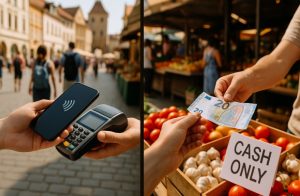
While digital payments have become mainstream, cash remains essential in specific circumstances and destinations.
Countries like Japan, Argentina, and parts of Europe still rely heavily on physical currency for everyday transactions.
Even in tech-savvy destinations, cash is often required for:
- Street food vendors
- Public transportation
- Rural accommodation providers
A hybrid approach that combines fee-free digital tools with a sensible cash reserve is widely recommended by financial experts.
Conclusion
Travelling without cash may seem practical in an increasingly digital world, but the reality is that many destinations still depend on physical currency.
From hidden card fees to limited payment options in remote areas, British holidaymakers risk financial inconvenience and unnecessary costs.
By preparing a balanced mix of cards and local currency, and understanding how to avoid common fee traps, travellers can manage their budgets more effectively and enjoy their holidays with greater peace of mind and financial confidence.
FAQs
What’s the best way to carry cash safely while travelling?
Split your cash across multiple secure locations, such as your wallet, a money belt, and a hotel safe to reduce the risk of losing it all at once.
Are fee-free cards completely free to use abroad?
Most fee-free cards eliminate foreign transaction and ATM withdrawal fees but may still have limits or restrictions. Always check the terms.
How can I avoid poor exchange rates abroad?
Avoid exchanging money at airports or hotels. Use travel money comparison sites and plan your currency exchange ahead of time.
Is it better to withdraw cash abroad or take it with me?
Bringing some cash with you often avoids ATM fees. However, withdrawing larger amounts in fewer transactions abroad can be more cost-effective than using exchange desks.
Are prepaid travel cards accepted everywhere?
Not necessarily. Some small merchants or rural areas may reject prepaid cards. Carry a backup form of payment just in case.
What happens if I lose my travel money abroad?
Report the loss to local authorities and your travel insurer. Coverage varies, so check your policy to understand what you’re entitled to claim.
Is it risky to use public Wi-Fi for managing travel money apps?
Yes. Avoid accessing banking or currency apps on unsecured networks. Use mobile data or a VPN for better security.
What is your reaction?