Embracing Flexibility in Workspace Design

As office environments evolve, flexibility is becoming a key aspect of workspace design. Companies are increasingly adopting adaptable layouts to enhance creativity and efficiency. This trend not only boosts employee satisfaction but also optimizes resource use.
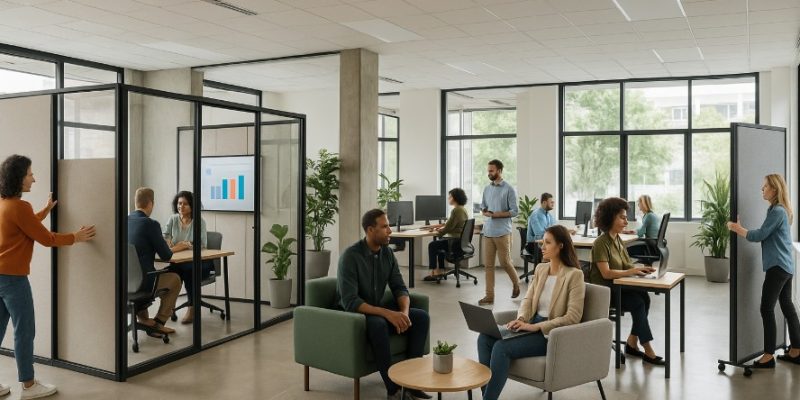
In today’s dynamic business world, the concept of Avant Movable Walls is gaining significant traction. Companies are moving away from static office layouts, opting for dynamic configurations that support both collaborative and individual work.
This shift allows spaces to be reconfigured easily, enabling organizations to respond swiftly to changing business needs and employee preferences.
Why Flexible Workspace Design Matters in Modern Offices?
The Significance of Flexibility in Office Design
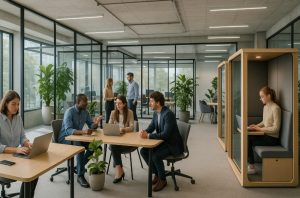
Flexible workspaces offer numerous benefits that can significantly enhance employee satisfaction and productivity. By allowing employees to choose where and how they work, these environments promote a sense of autonomy and comfort, leading to increased motivation and engagement.
Flexible workspaces can also contribute to reduced stress levels and improved mental health, as they provide a variety of settings for different tasks. Additionally, flexible office design can lead to better space utilization, resulting in cost savings for businesses.
By optimizing the use of space, companies can reduce their real estate footprint and associated costs. This approach not only saves money but also supports sustainable practices by minimizing resource consumption.
The adaptability inherent in flexible designs means spaces can evolve with the business, avoiding costly renovations or relocations. Modern flexible workspaces also support the growing trend of hybrid work models, where employees split their time between remote and office work.
By designing spaces that can accommodate varying occupancy levels throughout the week, organizations can create more efficient and welcoming environments. This approach includes incorporating hot-desking arrangements, bookable meeting rooms, and quiet zones that cater to different work preferences.
The flexibility to scale space usage up or down based on daily needs ensures that office environments remain vibrant and purposeful, rather than feeling empty or overcrowded.
Movable Walls as a Component of Adaptability
Movable walls play a crucial role in creating adaptable office spaces, offering a practical solution for organizations looking to enhance their work environments.
These walls provide the flexibility to partition spaces on demand, making it easy to create private offices or collaborative zones as needed. For example, systems like Avant Movable Walls demonstrate how such solutions can be seamlessly integrated into modern offices.
Businesses implementing movable wall systems often report increased efficiency in space management. With the ability to quickly alter layouts, companies can host varied activities without the constraints of permanent structures.
This versatility supports diverse work styles and facilitates innovation by fostering an environment where teams can easily interact and share ideas.
Insights on Design Trends and Future Directions
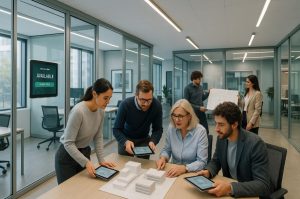
The implementation of flexible design elements has proven successful in various companies across different sectors. Many forward-thinking businesses have embraced open-plan layouts with movable partitions that allow for quick reconfiguration based on project needs or team sizes.
These adaptations not only improve workflow but also enhance communication among employees. Future trends in workspace design include the integration of technology with physical spaces to further enhance flexibility.
Smart solutions, such as automated room scheduling and responsive lighting systems, are expected to become more prevalent. These advancements will further support adaptive office environments by streamlining operations and enhancing user experience.
Flexibility’s Role in Maintaining Competitiveness
Emphasizing flexible workspace design is crucial for staying competitive in today’s business landscape. By prioritizing adaptability, companies position themselves to better meet evolving market demands and employee expectations.
This approach not only fosters a positive organizational culture but also attracts top talent seeking innovative and supportive work environments. As businesses continue to navigate the challenges of a rapidly changing world, embracing flexibility in workspace design becomes essential.
Adaptable office solutions not only drive efficiency and productivity but also contribute to a company’s long-term success by creating environments where employees thrive.
What is your reaction?