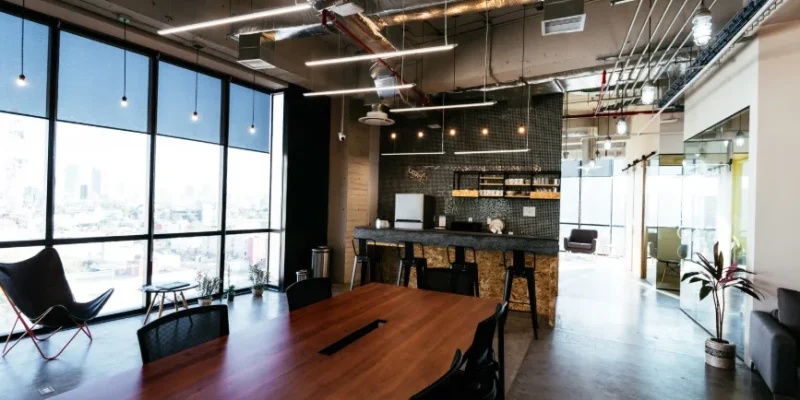
The Rise of Flexible Workspaces in Northern Cities and Business Hubs

Across the UK’s northern regions and neighbouring business centres, the way people work is undergoing a quiet revolution. Traditional offices are no longer the only option, as businesses, freelancers and entrepreneurs increasingly turn to flexible environments that support collaboration, innovation and work-life balance.
In particular, the growth of coworking spaces has transformed how professionals connect and operate in major cities and emerging hubs alike.
From thriving commercial centres such as Leeds, Sheffield and Nottingham to historic destinations like York and Harrogate, as well as larger regional powerhouses such as Newcastle upon Tyne and Glasgow, flexible workspaces are reshaping the economic landscape.
What was once seen as a niche solution for start-ups has become a mainstream choice for organisations of all sizes.
Why Flexible Workspaces Are Gaining Momentum?

Changing Expectations of Work
Workplace expectations have shifted dramatically in recent years. Employees increasingly value autonomy, flexibility and meaningful collaboration over rigid schedules and fixed desks.
Many businesses have embraced hybrid working models, allowing staff to split time between home and the office.
Flexible workspaces respond perfectly to this change. They offer professional environments without long-term commitments, enabling companies to adapt quickly as circumstances evolve.
For freelancers and remote workers, they provide structure, social interaction, and access to facilities that may not be available at home.
Cities such as Leeds and Glasgow, with their strong financial and professional services sectors, have seen particular growth in flexible offices as firms seek to maintain a city-center presence while reducing fixed costs.
Cost Efficiency and Scalability
Financial considerations are another major driver. Traditional office leases often require significant upfront investment, long commitments, and ongoing maintenance costs.
Flexible workspaces, by contrast, typically operate on membership or short-term agreements, allowing organisations to scale up or down as needed.
This scalability is especially valuable for start-ups and small businesses, which may experience rapid growth or fluctuating workloads. Companies can adjust their footprint with minimal disruption.
Large corporations are also adopting this approach. Many now use flexible offices as satellite locations, project hubs, or temporary bases when entering new markets.
Collaboration, Community and Innovation
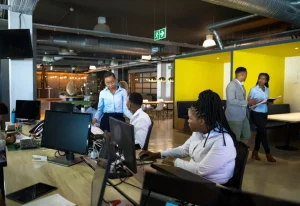
A Hub for Networking and Ideas
One of the defining features of flexible workspaces is the sense of community they foster. Unlike traditional offices, which are often isolated by company, coworking environments bring together professionals from diverse industries under one roof.
This diversity creates opportunities for collaboration that might not otherwise occur. Informal conversations over coffee can lead to partnerships, client referrals, or fresh perspectives on business challenges.
Northern cities and towns have particularly benefited from this dynamic. In places like Sheffield and Newcastle, coworking hubs often serve as focal points for growing digital and creative sectors, helping to connect talent across industries.
Supporting Talent Attraction and Retention
Access to flexible, modern work environments can help organisations attract and retain skilled employees. Many professionals now prioritise workplaces that offer flexibility, opportunities for collaboration and a positive atmosphere.
Coworking spaces typically feature contemporary design, comfortable breakout areas and amenities such as cafés, event programmes and wellness facilities. These elements contribute to a working experience that feels engaging rather than routine.
For businesses in regional centres such as Nottingham or Harrogate, offering access to high-quality flexible workspaces can help compete with larger metropolitan employers, allowing talent to build successful careers without relocating to London.
Strengthening Regional Ecosystems
Flexible workspaces play a key role in strengthening local business ecosystems. They provide accessible entry points for start-ups, encourage knowledge sharing and support the growth of small enterprises that contribute to regional prosperity.
In cities like Leeds, York and Glasgow, clusters of coworking hubs have developed around universities, transport links and innovation districts. This proximity encourages collaboration between academia, industry and the public sector, accelerating the development of new ideas and technologies.
The Future of Work in Northern Business Hubs

Technology Enabling New Ways of Working
Advances in digital technology have made flexible working more practical than ever. Cloud computing, video conferencing and collaborative platforms allow teams to operate effectively regardless of location.
Flexible workspaces typically provide enterprise-grade connectivity, secure networks and modern meeting facilities, enabling even small businesses to operate with the professionalism of larger organisations.
This access to infrastructure levels the playing field and supports business growth across the region.
As technology continues to evolve, these spaces are likely to incorporate smart systems for desk booking, occupancy management and energy efficiency, further enhancing their appeal.
Supporting Urban Regeneration
The rise of flexible workspaces is also contributing to the revitalisation of city centres and market towns.
Repurposed historic buildings, former industrial sites and underused commercial properties are being transformed into vibrant hubs of activity.
In cities such as Nottingham and Glasgow, large-scale regeneration projects have incorporated flexible offices as anchor tenants, while smaller locations like Harrogate and York are using them to revitalise historic properties and attract new business activity.
A Long-Term Shift, not a Passing Trend
Most experts agree that flexible working is here to stay. Businesses have recognised the productivity benefits of autonomy, while employees appreciate the balance it provides.
Rather than returning to pre-pandemic norms, organisations are developing hybrid strategies that combine remote work with periodic in-person collaboration.
For many organisations across Leeds, Sheffield, Newcastle, York, Glasgow, Harrogate, and Nottingham, this approach delivers the best of both worlds: operational efficiency and a strong sense of connection among staff.
What is your reaction?