
Top Forex Trading Platforms for 2026: The Ultimate Guide

The world of currency trading has transformed radically as we advance through 2026. What was once an exclusive arena for institutional giants has become a dynamic ecosystem accessible to anyone with an internet connection.
However, the democratization of the market brings a new challenge: selecting the right tools. In a landscape dominated by high-frequency algorithms and AI-driven analytics, the platform you choose is no longer just a gateway, it is a decisive factor in your profitability.
Today’s traders demand speed, precision, and deep analytical capabilities. This guide breaks down the leading platforms of the year and the critical features that separate the professional tools from the rest.
The Technological Landscape of 2026

Before diving into specific software, it is vital to understand the technological environment we operate in. The forex market in 2026 is defined by two major pillars: artificial intelligence and speed.
AI and Predictive Analytics
Artificial Intelligence has moved from a novelty to a necessity. The best platforms now integrate machine learning to scan market sentiment and predict price movements with higher accuracy. This technology helps traders filter out market noise and focus on high-probability setups.
The Need for Speed
In an environment where prices shift in microseconds, latency is the enemy. Top-tier platforms are now hosted on servers physically closer to major liquidity hubs like London and New York. This ensures that the price you click is the price you get, minimizing slippage during volatile news events.
The Titans of Trading Software
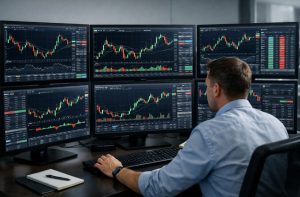
Despite the launch of dozens of new fintech apps, the industry hierarchy remains clear. The battle for supremacy is largely between proven stability and modern flexibility.
The Undisputed Leader: MT4
It is remarkable that a piece of software developed decades ago remains the gold standard in 2026. The MetaTrader 4 trading platform continues to dominate the retail forex space. Its longevity is not a fluke; it is the result of a perfectly balanced architecture that prioritizes function over form.
Why Traders Stick with MT4?
The primary reason for its enduring popularity is the MQL4 coding language. This environment allows for the creation of Expert Advisors (EAs), automated trading robots that can execute strategies 24/7.
For millions of traders, this reliability is irreplaceable. Whether the market is calm or crashing, MT4 is known for staying online and operational.
The Challengers: MT5 and cTrader
While MT4 holds the crown, MetaTrader 5 (MT5) and cTrader have solidified their positions. MT5 is the go-to for traders diversifying into stocks and futures, offering a more detailed Depth of Market (DOM).
cTrader, on the other hand, appeals to the modern user with its sleek design and advanced copy-trading features, making it a favorite for those who prefer a visual-first approach.
Essential Features for Success
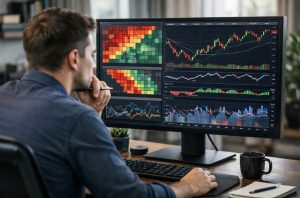
In 2026, a “buy” and “sell” button is not enough. To compete with institutional algorithms, retail traders need a robust feature set.
Advanced Technical Analysis
Charting is the language of the market. Modern platforms must offer more than just trend lines, they need to provide heat maps, correlation matrices, and customizable indicators.
According to Wikipedia, the forex market is the largest financial market in the world by trading volume, and navigating its liquidity requires precise visual tools to identify entry and exit points effectively.
Mobile Functionality
The modern trader is nomadic. A desktop platform must have a seamless mobile counterpart. In 2026, mobile apps are no longer “lite” versions, they offer full functionality, allowing traders to manage positions, analyze charts, and deposit funds from their smartphones without compromising on speed or security.
Staying Informed
Access to information is as critical as the trade itself. Integrating reliable news sources directly into your daily routine is essential.
Platforms that aggregate economic news are vital, but traders should also rely on dedicated business portals like iBusinessTalk to stay ahead of macroeconomic trends and industry shifts.
The Broker Connection

Even the best software is useless without a reliable broker. The broker provides the liquidity and the legal framework for your trades.
Regulatory Safety
The safety of your capital should be your first priority. In 2026, the regulatory landscape is stricter than ever.
Ensure your broker is licensed by top-tier authorities such as the FCA (UK) or CySEC (Cyprus). These licenses guarantee the segregation of client funds and provide negative balance protection.
Execution Transparency
How your trade is executed matters. The industry is shifting towards No Dealing Desk (NDD) models, which eliminate conflicts of interest.
Leading brokers like FxPro champion this approach, ensuring that client orders are matched directly with liquidity providers.
This transparency means the broker profits from commission or volume, not from client losses, fostering a fairer trading environment.
Conclusion
Choosing the best forex trading platform in 2026 is a personal journey that depends on your trading style. Whether you prefer the algorithmic power of MT4 or the multi-asset capabilities of newer platforms, the technology is there to support you.
However, technology is only half the equation. Pairing your platform with a regulated, transparent broker and staying informed through quality resources are the true keys to longevity in the markets.
As we move forward, the integration of AI and speed will only deepen, making your choice of infrastructure more critical than ever.
What is your reaction?