
The Business Impact of Body Contouring Services on UK Wellness Industry Revenue

The UK wellness industry has recorded steady growth in non-surgical body contouring services in recent years.
Demand has increased for treatments that reduce localised fat without surgery. These procedures use controlled cooling to target fat cells while preserving surrounding tissue.
With the non-invasive fat reduction market projected to expand at a compound annual rate through 2030, clinics offering these services report consistent revenue growth. T
he appeal lies in minimal downtime and gradual results that align with consumer preference for lower-risk aesthetic options.
Business analysts note that this demand reflects wider shifts in attitudes towards wellness and body image. Many clients now prioritise subtle refinement over dramatic change.
This behavioural shift has created commercial opportunities for clinics able to provide predictable outcomes and transparent pricing structures.
How Non-Surgical Fat Reduction is Reshaping UK Wellness Economics?
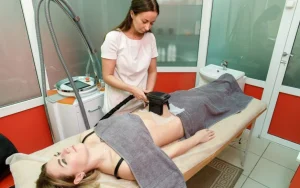
The UK non-invasive fat reduction market continues to expand, reflecting sustained interest in alternatives to surgical procedures.
Consumers increasingly favour treatments that fit around work schedules and require limited recovery time.
Within this market, non-surgical fat freezing treatment is delivered by specialist UK providers operating in major urban centres, reflecting sustained demand for clinically supervised body contouring solutions.
Clinics that invest in established cooling-based technologies have strengthened their service portfolios while responding to consistent client demand.
These procedures are typically selected to address persistent fat deposits that remain resistant to diet and exercise.
Wellness clinics across the UK have expanded revenue streams by incorporating body contouring into broader aesthetic offerings.
The addition often complements existing skincare and treatment services, increasing repeat visits and overall client value.
In larger metropolitan areas, multi-location clinic networks contribute to accessibility and operational scale. Providers operating across several city districts benefit from increased brand visibility and a wider client base.
This structural model supports stable booking volumes and diversified revenue channels.
The Technology-Business Connection Behind Fat Freezing Success

The underlying cooling technology provides a measurable commercial advantage. By targeting fat cells through controlled temperature reduction, clinics deliver visible change without surgical intervention.
This selective process allows providers to position services within the lower-risk segment of aesthetic medicine.
Regulatory clearance has also influenced market positioning. Device approvals provide assurance for both operators and clients, strengthening trust in treatment safety standards. This regulatory backing supports pricing stability within a competitive sector.
From an operational perspective, non-invasive body contouring compares favourably with surgical alternatives. Equipment investment is significant at the outset, yet clinics avoid the infrastructure costs associated with theatre space, anaesthesia, and extended aftercare.
This structure aligns with broader UK healthcare expenditure data, which shows continued investment across private and specialist health services.
Return on investment typically becomes visible within the first 12 to 18 months, depending on utilisation rates and pricing models.
Some clinics choose leasing arrangements to reduce initial capital expenditure, allowing greater financial flexibility during early growth phases.
Ongoing developments in applicator design have broadened treatment capability across different body areas.
Expanded device versatility increases appointment frequency and improves equipment utilisation rates within clinic settings.
Financial Models Transforming Body Contouring Accessibility

Flexible payment structures have played a role in widening access to body contouring services. Many UK clinics now offer staged payment options, enabling clients to spread treatment costs over several months.
This approach has improved affordability while maintaining revenue consistency for providers.
Case studies across the sector indicate that transparent monthly pricing can improve enquiry-to-booking conversion rates.
Clear cost structures reduce hesitation and streamline decision-making, particularly among working professionals managing discretionary spending, a pattern reflected in broader UK consumer confidence and spending trends.
Reduced financial barriers often shorten the sales cycle, limiting the need for repeated follow-up by administrative teams. Over time, this contributes to lower acquisition costs and more efficient resource allocation.
Some operators have introduced membership-based models that encourage long-term client retention.
Others maintain pay-per-session pricing supported by structured package discounts. Both approaches contribute to recurring income and greater financial predictability.
Regulatory Landscape and Its Business Effects
The UK regulatory framework for non-surgical aesthetic treatments shapes market stability.
Compliance with national standards covering equipment, practitioner qualifications, and facility management requires structured investment.
Alignment with Care Quality Commission requirements for independent clinics limits informal market entry and supports professional accountability.
Clear safety protocols and adverse event management procedures influence business reputation.
Clinics that maintain documented training standards and transparent communication practices are better positioned to sustain long-term trust.
Insurance requirements also affect operational costs. Professional indemnity and treatment liability cover represent a notable expense, yet they provide essential protection within a regulated sector.
Staff qualifications directly influence both service quality and cost structure.
Providers employing medically trained practitioners or certified aestheticians often achieve stronger client satisfaction outcomes, reinforcing referral-based growth.
Non-surgical body contouring now represents a defined revenue stream within the UK wellness economy.
Cooling-based technologies have reshaped service portfolios, pricing structures, and operational models across urban clinic networks.
As regulatory oversight strengthens and consumer spending patterns evolve, providers that combine compliance, financial flexibility, and workforce expertise are better positioned to secure long-term market share.
What is your reaction?