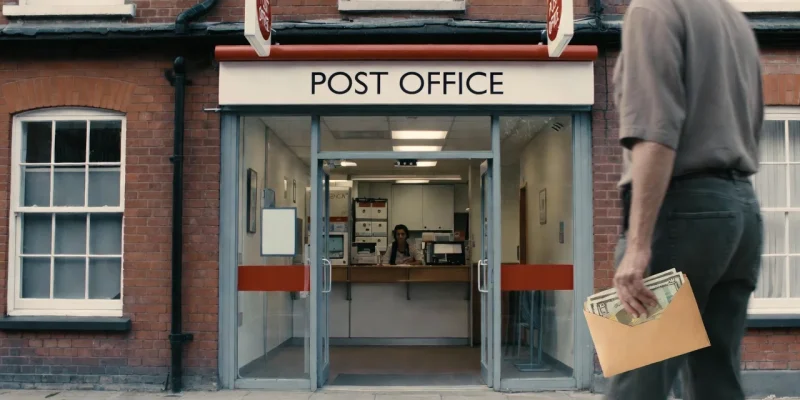
Can I Pay Money Into My Bank Account Via The Post Office?

Yes, you can pay money into your bank account via the Post Office at thousands of branches across the UK.
The service supports both personal and business accounts from most major UK banks and offers a safe, convenient alternative to traditional bank branches.
Key Points:
- Deposit cash or cheques into your bank account
- Use your debit card or a personalised paying-in slip
- Cash deposits are often credited instantly or by the next working day
- Cheque deposits take 2–5 working days to clear
- Deposit limits vary by bank and account type
- Business accounts typically allow larger transactions, but may incur fees
- Services are secure, widespread, and available even in rural areas
How Do I Deposit Cash Into My Bank Account At The Post Office?

Depositing cash into your bank account at the Post Office is one of the most straightforward banking services available today in the UK.
As the Post Office has partnered with most of the UK’s major high street banks, it acts as an extended arm of your local bank, especially useful in communities where bank branches have closed.
Whether you hold a personal account or a business one, you can deposit physical cash at most Post Office branches.
The deposit process typically takes only a few minutes if you have the correct details and documents with you. The method used to deposit your cash determines when your funds will appear in your account.
What Do I Need To Bring With Me?
To deposit cash into your bank account, you’ll need one of the following:
- A debit card linked to your bank account and your PIN
- A personalised paying-in slip, usually found in your cheque book or provided by your bank
If you’re using a debit card and PIN, the Post Office terminal connects with your bank’s system. The staff will ask how much you’re depositing and process it directly.
If you’re using a paying-in slip, your cash is packaged and sent to your bank for processing. This method may take longer, but it’s still widely accepted, especially for banks that don’t support card-based deposits through the Post Office.
Are Cash Deposits Credited Instantly?
When depositing cash using your debit card, the funds are typically credited to your account immediately.
This is because the transaction is authorised on the spot. However, if you are using a paying-in slip, the money is processed and sent to your bank, which usually takes one working day to reflect in your balance.
This convenience is one reason I prefer using my debit card when depositing personal funds. It gives me immediate access and removes any uncertainty over the transaction status.
Can I Pay In Cheques At The Post Office?
Cheques are still accepted in many UK banking transactions, especially in business-to-business dealings or with older clients who prefer traditional payment methods. You can pay in cheques at the Post Office, provided your bank supports this service.
To deposit a cheque:
- Use a personalised paying-in slip
- Insert the slip and cheque into a Post Office cheque envelope, which is available at the counter
The cheque will then be sent to your bank for clearing. Some banks require the customer to use their own pre-printed envelopes, while others accept the standard ones from the Post Office.
Clearance times vary:
| Bank | Average Clearance Time | Notes |
| Barclays | 2–3 working days | May take longer over bank holidays |
| Lloyds Bank | 2 working days | Can track status via mobile app |
| NatWest | 2–4 working days | Extended times for third-party cheques |
| HSBC | 2–3 working days | Personalised slips required |
| TSB | 3–5 working days | Dependent on the cheque origin |
As a writer who occasionally receives cheque payments from certain clients, I’ve found this service reliable when I don’t have quick access to my bank. While I prefer bank apps for cheque deposits, some banks still require physical handling, and the Post Office helps bridge that gap.
Are There Limits On How Much I Can Deposit At A Post Office?
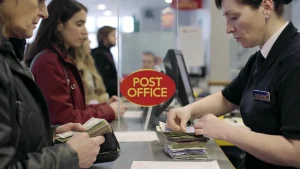
The amount of cash you can deposit at a Post Office depends on whether your account is personal or business, and on your specific bank’s agreement with the Post Office.
Personal Account Limits
For personal account holders, there are common transaction limits across most major banks.
In general, you can expect:
| Bank | Per Transaction Limit | Daily/Annual Limits |
| Barclays | £3,000 | No annual limit specified |
| Lloyds | £2,995 | Annual cap: £20,000 |
| TSB | £2,500 | Monthly cap: £15,000 |
| NatWest | £3,000 | Annual limits may apply |
| Santander | £3,000 | No fixed annual cap |
Many customers aren’t aware of these caps until they try to deposit a larger sum. It’s always best to check with your bank or call their customer service before heading to the branch, especially if you’re dealing with a high-value transaction.
Business Account Deposit Limits
Business accounts usually come with higher deposit thresholds to accommodate daily cash takings. These limits vary significantly depending on your account type and the bank’s policy.
| Bank | Business Deposit Limit | Notes |
| Barclays Business | £10,000 per transaction | Some accounts allow up to £20,000 daily |
| NatWest Business | £15,000 per transaction | Subject to prior notice for large sums |
| HSBC Business | £10,000–£15,000 | Custom limits available for key clients |
| Lloyds Business | £5,000–£10,000 | Higher tiers get increased limits |
One of my clients who owns a small chain of cafés told me:
“I use the Post Office daily. Their ability to handle business deposits quickly saves me time and lets me keep running my operations without delays.”
Which Banks Let You Deposit Money Through The Post Office?
The Post Office currently supports everyday banking services for over 30 UK banks.
These services include:
- Cash deposits
- Cheque deposits
- Cash withdrawals
- Balance enquiries
Here’s a table of major UK banks and the services available through the Post Office:
| Bank Name | Cash Deposit | Cheque Deposit | Withdrawals | Balance Enquiry |
| Barclays | Yes | Yes | Yes | Yes |
| Lloyds Bank | Yes | Yes | Yes | Yes |
| HSBC | Yes | Yes | Yes | Yes |
| NatWest | Yes | Yes | Yes | Yes |
| Santander | Yes | Yes | Yes | Yes |
| TSB | Yes | Yes | Yes | Yes |
| Bank of Scotland | Yes | Yes | Yes | Yes |
| Nationwide | Yes | Yes | Yes | Yes |
The list above is not exhaustive. You can confirm your bank’s participation through the official Post Office website. There, you can select your bank and see exactly what services are supported.
Is There A Charge For Depositing Money Into My Bank Account Via The Post Office?

For personal customers, depositing money at the Post Office is generally free of charge. This includes both cash and cheque deposits, as long as your bank supports the transaction type.
However, for business customers, charges may apply. These depend on:
- The bank
- The type of business account
- The amount deposited
- The frequency of deposits
Typical fee structures include:
| Bank | Deposit Fee (Business) | Notes |
| Barclays Business | 0.7% of deposit | Charged monthly |
| HSBC Business | Free up to £3,000/month | Fees beyond the free allowance |
| Lloyds Business | £2.50 per £1,000 deposited | Tiered pricing based on account |
| NatWest Business | Varies by account tier | Premium accounts may be exempt |
A financial consultant I spoke with commented:
“Many small business owners overlook these fees. It’s worth reviewing your account terms regularly to ensure you’re not paying more than necessary.”
Can I Use The Post Office For My Business Banking Needs?
Yes, and increasingly so. As high street banks reduce the number of physical branches, the Post Office has stepped in to provide reliable alternatives for small and medium-sized businesses.
The Post Office supports business account holders with services such as:
- Cash and cheque deposits
- Secure cash handling for takings
- Change requests (coins/notes)
- Extended opening hours, including weekends in many locations
For retailers, salons, cafés, and market vendors, having a reliable, nearby deposit option is essential. One client, who operates a catering business, told me:
“I close late, and I don’t always have time to get to the bank. The local Post Office being open on Saturdays has been a lifesaver for my cash flow.”
Additionally, the Post Office network includes:
- Over 11,500 branches in the UK
- Rural and urban coverage
- Dedicated support for business customers
These features make the Post Office a key player in local economic infrastructure.
Is Banking At The Post Office Safe And Secure?
Security is a top priority at the Post Office, particularly with banking transactions. All deposits and withdrawals are handled by trained staff in monitored environments.
Furthermore, the Post Office operates one of the UK’s largest Cash and Valuables in Transit (CViT) networks.
In December 2024 alone, the Post Office processed over £3.7 billion in cash transactions, showing the scale and trust placed in its services.
Safety measures include:
- Verified transaction terminals
- Counter protections
- Secure transport of cheques and cash
- CCTV coverage in branches
As someone who values data protection and security, I feel confident using Post Office services for both personal and business transactions. The process is clear, the staff are knowledgeable, and my funds have always arrived promptly.
Real-Life Experience Of Banking At The Post Office
Last summer, I had to handle a property transaction that involved receiving a large cash payment.
Normally, I would have deposited the funds at my local bank, but the branch had recently closed as part of wider bank reductions in the area. With limited time and a need for same-day deposit, I decided to try the local Post Office instead.
When I arrived, I was pleasantly surprised by how seamless the process was. I handed over my debit card and the cash, entered my PIN on the terminal, and the transaction was completed within minutes. The assistant confirmed the amount, gave me a receipt, and the funds appeared in my online banking almost instantly.
A woman next to me was also using the Post Office for her business deposits. I overheard her say to the clerk:
“I used to drive 20 minutes to the bank twice a week. Now I just walk here with the takings and get it all sorted without leaving the high street.”
It’s moments like these that highlight how essential Post Office banking services have become, especially for people living in areas where banks have closed or reduced hours.
The convenience, safety, and real-time processing gave me the confidence to continue using the Post Office for future deposits, whether personal or business-related.
What Other Banking Services Are Available At The Post Office?
In addition to deposits, the Post Office offers a full suite of everyday banking options, including:
- Cash withdrawals using your debit card
- Balance checks for most UK accounts
- Mini statements at select branches
- Change requests for business accounts
- Access to ATMs at or near the branch
Here’s a quick breakdown of what you can do at a Post Office counter:
| Service Offered | Available With Most Banks | Notes |
| Cash Withdrawals | Yes | Instant access to your funds |
| Cash Deposits | Yes | Card or paying-in slip accepted |
| Cheque Deposits | Yes | Use an envelope and a slip |
| Balance Enquiry | Yes | Card required |
| Change Request | Business accounts only | Must be arranged with your bank |
These services mean that, even without a physical bank nearby, your banking needs can still be met efficiently and securely.
How Do I Find The Nearest Post Office Offering Banking Services?
Finding a Post Office that provides banking services is easy and can be done online in under a minute.
The branch finder on the official Post Office website allows you to:
- Search by postcode, town, or location
- View branch opening hours
- See which banking services are available
- Check for accessibility features
Before you go:
- Make sure the branch handles the services you need
- Take your bank card or paying-in slip
- Confirm whether it’s open during lunch hours or weekends
If you rely heavily on these services, consider bookmarking the nearest few locations, so you have options in case one is closed or busy.
Conclusion: Is using the Post Office for deposits a good option?
If you’re wondering whether the Post Office is a reliable place to deposit your money, the answer is a resounding yes. It’s convenient, secure, widely accessible, and integrates smoothly with most UK banks.
Whether you’re managing personal finances or running a business, being able to deposit cash and cheques without hunting for a bank branch makes life significantly easier.
For those like me who value flexibility, especially in areas with limited bank presence, the Post Office is not just an alternative, it’s often the best option available.
FAQs
What’s the quickest way to deposit money at the Post Office?
Using your debit card for cash deposits allows immediate credit to your account, making it the fastest option.
How long do cheque deposits take at the Post Office?
Cheque deposits can take between 2 and 5 working days to clear, depending on your bank’s processing times.
Can I deposit money into someone else’s account via the Post Office?
Generally, you can only deposit into accounts where you are the account holder. Some banks allow third-party deposits with the correct documentation.
Are all Post Office branches equipped for banking?
Most are, but not all. Use the branch finder on the official website to confirm services at your local branch.
What should I do if I lose my deposit slip or cheque envelope?
Ask a member of staff at your local Post Office, they usually have spares on hand for cheque deposits.
Do Post Office banking services operate on weekends?
Many branches do, especially in urban areas. Check your nearest branch for weekend opening hours.
Are there alternatives to using the Post Office for deposits?
Alternatives include bank branches, cash deposit machines, and mobile cheque deposit apps (for supported banks), though they may not be as widely available.
What is your reaction?